


01 Background

Allergic Rhinitis
Allergic Rhinitis (AR) is an IgE‑mediated chronic inflammatory disease of the nasal mucosa, mainly manifested by symptoms such as nasal pruritus, sneezing, rhinorrhea and nasal congestion. In recent years, with changes in environmental factors and increased allergen exposure, the incidence of AR has kept rising, and it has become a major disease impairing patients’ quality of life.
Come and take a look
Today, we will take you to systematically understand allergic rhinitis models to advance scientific research and clinical understanding.
02 About Allergic Rhinitis
The onset and progression of AR mainly involve abnormal activation of Th2‑type immune responses, elevated IgE levels, mast cell degranulation, and eosinophil infiltration. Upon allergen stimulation, the organism produces allergen‑specific IgE, which binds to FcεRI on the surface of mast cells. Re‑exposure to allergens triggers the release of inflammatory mediators, ultimately resulting in inflammatory responses in the nasal mucosa.Currently, commonly‑used clinical therapeutic drugs include:
🔷 Antihistamines
·Representative drugs:Levocetirizine Hydrochloride, Cetirizine Hydrochloride, Loratadine, Ebastine, etc.
·Main functions:competitively block histamine H1 receptors to inhibit histamine‑mediated vasodilation, increased capillary permeability and sensory nerve stimulation, thereby alleviating symptoms such as sneezing, nasal pruritus and rhinorrhea.
🔷 Intranasal Corticosteroids
·Representative drugs:Mometasone furoate, Fluticasone furoate, Budesonide, etc.
·Main functions:Intranasal glucocorticoids are first‑line therapeutic agents for controlling nasal inflammatory symptoms of AR. They mainly ameliorate nasal mucosal inflammation by inhibiting the release of inflammatory factors and reducing eosinophil infiltration.
🔷 Leukotriene Receptor Antagonists
·Representative drugs:Montelukast,Zafirlukast.
·Main functions:It mainly blocks cysteinyl leukotriene receptors (CysLT1) to reduce leukotriene‑mediated inflammatory responses. Among them, montelukast sodium is widely used in patients complicated with asthma or lower respiratory tract allergic inflammation.
Second‑generation H1 antihistamines have long been important therapeutic agents for AR symptom control owing to their advantages such as rapid onset of action, high selectivity and weak central sedative effect. As a classic second‑generation antihistamine, levocetirizine hydrochloride exerts definite H1 receptor antagonistic effect and is therefore frequently adopted for positive‑drug validation in allergic rhinitis animal models.。
03 Advantages of BALB/c Mouse Model for Allergic Rhinitis
BALB/c mouse exhibit strong Th2 immune bias and produce favorable immune responses to classical allergens such as OVA (Ovalbumin), making them one of the most widely used animal models for allergic rhinitis research.🔷 OVA sensitization followed by nasal challenge can mimic the manifestations observed in clinical patients with allergic rhinitis:
·acute nasal allergic symptoms;
·elevated serum total IgE and OVA‑specific IgE;
·nasal mucosal inflammatory cell infiltration;
·release of Th2‑related inflammatory factors (IL‑4, IL‑5, IL‑13, etc.);
·goblet cell hyperplasia and increased mucus secretion.
🔷 This model can be used for pharmacodynamic evaluation of candidate drugs including antihistamines, glucocorticoids, biological agents, small‑molecule inhibitors and natural products.


Case Sharing of Pharmacodynamic Evaluation in BALB/c Mouse Model of Allergic Rhinitis
Data Presentation
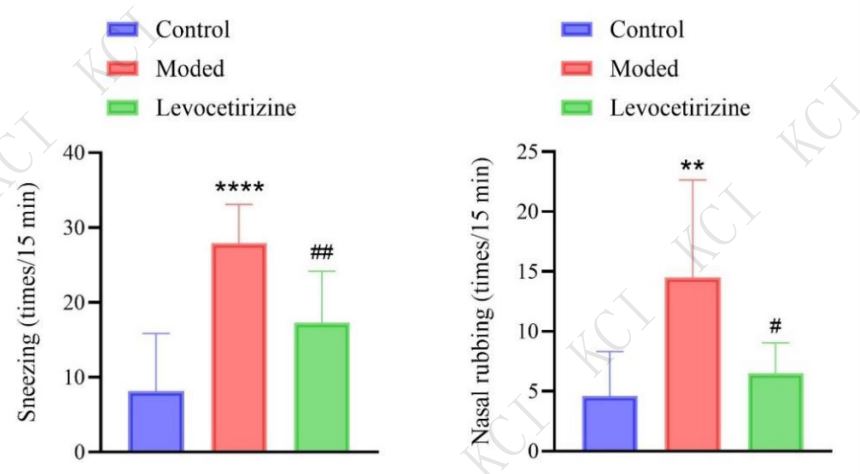
·Levocetirizine Ameliorates Nasal Allergic Symptoms in Mice
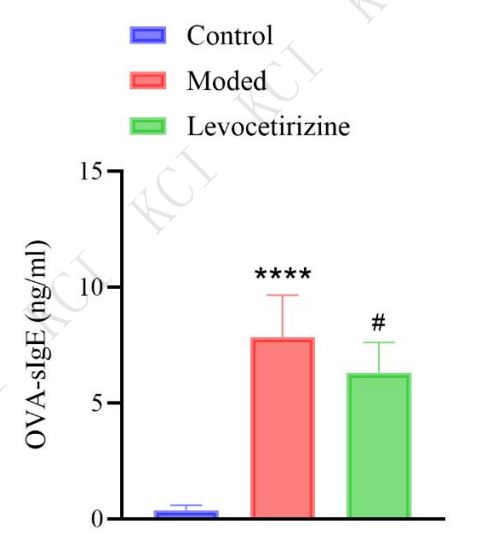
·Levocetirizine Reduces Serum OVA‑specific IgE Levels
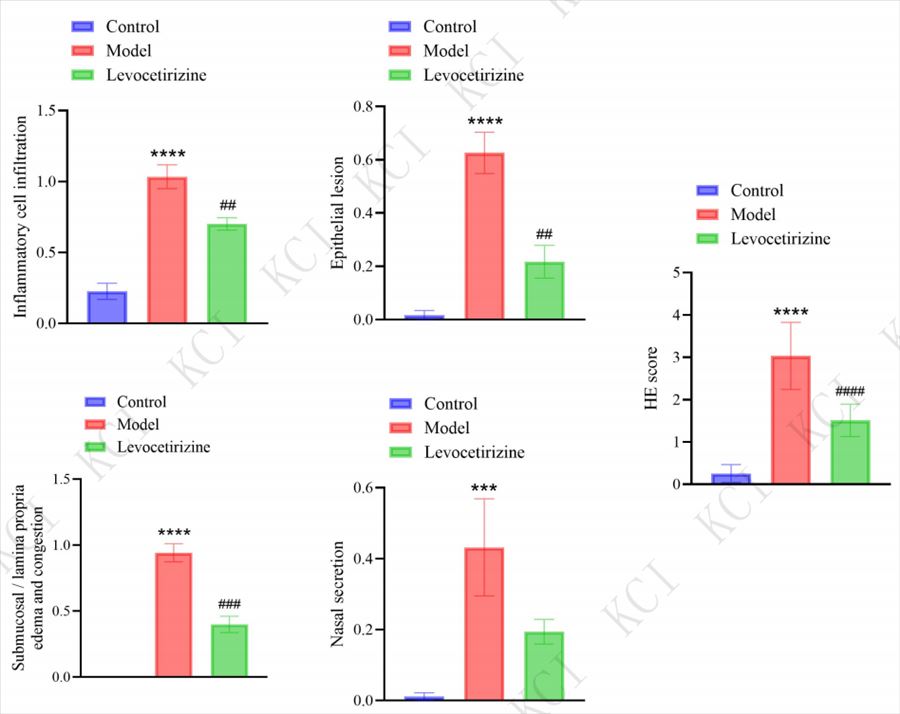
·Levocetirizine Ameliorates Histopathological Injury of Nasal Mucosa
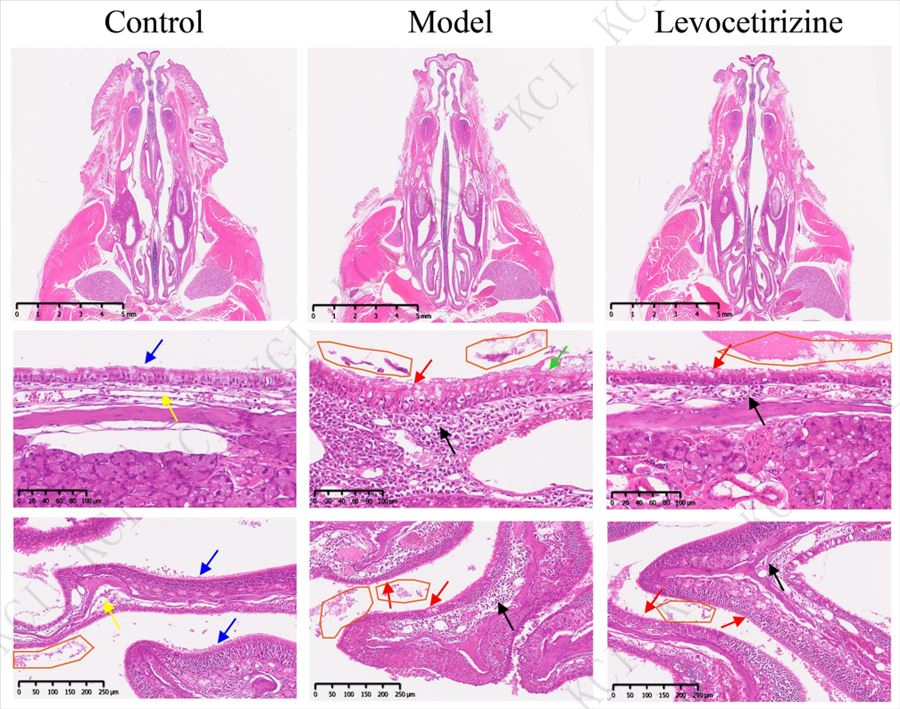
Blue arrow: normal nasal mucosal epithelial cells; Yellow arrow: normal submucosal tissue of mucosa; Red arrow: goblet cell metaplasia of partial nasal mucosal epithelial cells; Green arrow: loss of epithelial cilia; Black arrow: inflammatory cell infiltration in submucosa; Orange irregular polygon: nasal secretions
·Levocetirizine Reduces Abnormal Goblet Cell Hyperplasia
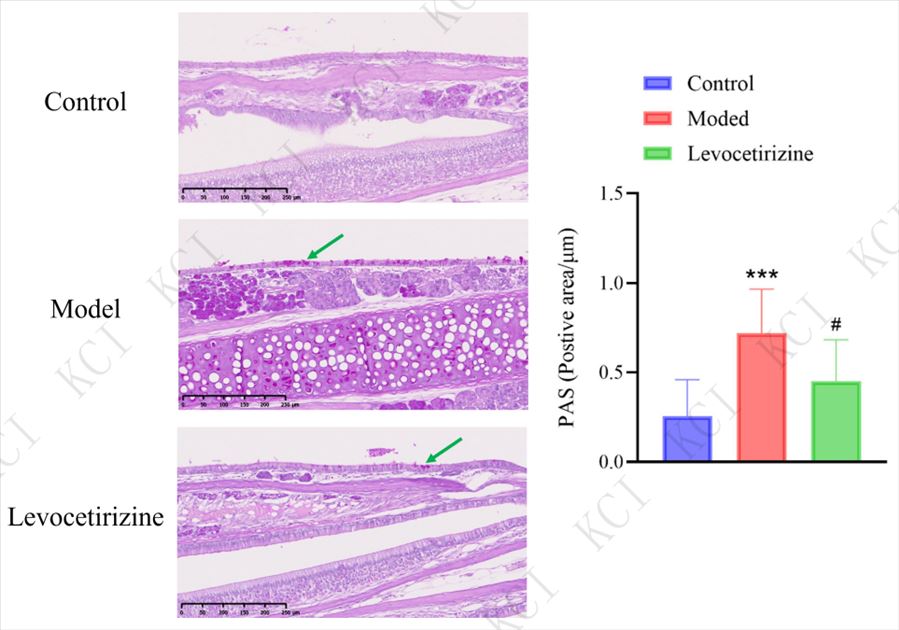
Green arrow: PAS‑positive, goblet cell hyperplasia
04 KCI・KMQ Respiratory System Disease Pharmacology and Efficacy Evaluation Platform
The KCI・KMQ Respiratory System Disease Pharmacology and Efficacy Evaluation Platform features a comprehensive animal model system. It has accumulated abundant project experience to meet diversified research requirements.At present, the company has established extensive long‑term cooperation with numerous well‑known pharmaceutical enterprises and research institutions at home and abroad, laying a solid foundation for the development of innovative drugs.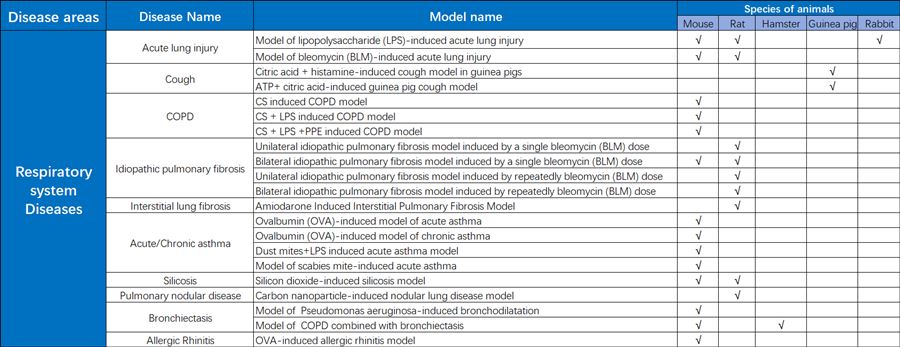
✔ Establishment and optimization of animal models
✔ Pharmacodynamic screening of candidate drugs
✔ Dosing regimen design
✔ Behavioral assessment
✔ Detection of inflammatory factors by ELISA
✔ Flow cytometric analysis
✔ Histopathological evaluation
✔ Molecular mechanism research
With standardized animal models and a multi‑dimensional evaluation system, it provides high‑quality pre‑clinical research data support for the R&D of anti‑allergic drugs.
05 Conclusion
Successful construction of allergic rhinitis animal models serves as a critical link between basic research and clinical application. With stable and reliable performance, these models provide solid support for exploring the pathogenesis of allergic rhinitis, developing new drugs, and evaluating the safety of clinical medication.。The animal disease models established by KCI・KMQ play a pivotal role in this field. Relying on professional model construction and standardized evaluation systems, the platform continuously provides strong technical support for scientific research institutions and pharmaceutical enterprises, and accelerates the translational progress of allergic rhinitis research from basic mechanism exploration to clinical therapeutic breakthroughs.If you would like to obtain the detailed experimental protocol of the model, please leave a message in the comment section. We will respond to you as soon as possible~