


Introduction
"Progressive aggravation of proteinuria, decreased glomerular filtration rate, edema, fatigue..." These are among the most concerning complications for hundreds of millions of diabetic patients worldwide. Diabetic Nephropathy (DN) is the most common microvascular complication of diabetes and has become a leading cause of End-Stage Renal Disease (ESRD). However, its pathogenesis and progression involve complex mechanisms including metabolic disorders, hemodynamic alterations, and inflammatory responses, posing great challenges to new drug research and development.
Highlights
Today, we conduct an in-depth analysis of a "golden combination" protocol that integrates metabolic characteristics and pathological progression — the DN model induced by HFD (High-Fat Diet) + Unilateral Nephrectomy + STZ (Streptozotocin).
Scientific Rationale for Model Selection
1. Triple-hit strategy: synergistic simulation of metabolism, structure and injury·High-Fat Diet (HFD): Foundation of metabolic disorder
Long-term high-fat feeding lays the groundwork for inducing insulin resistance and lipid metabolic disorders. It mimics the early metabolic environment caused by dietary habits in human type 2 diabetes mellitus (T2DM) patients and primes the subsequent renal injury.
·Unilateral Nephrectomy (UNx): Amplified load of glomerular hyperfiltration
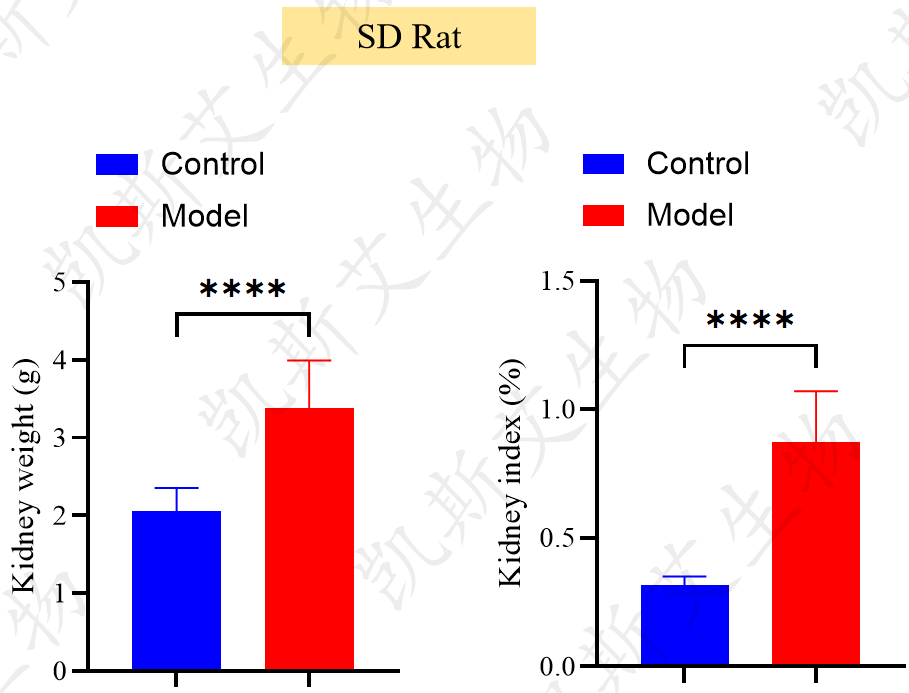
Surgical removal of one kidney leads to compensatory hypertrophy of the remaining kidney and a reduction in nephron number. The residual kidney remains in a long-term hyperfiltration state. This physical hemodynamic change greatly shortens the modeling cycle and accelerates the onset of proteinuria and glomerulosclerosis.
·Low-dose Streptozotocin (STZ): Precise impairment of pancreatic islet function
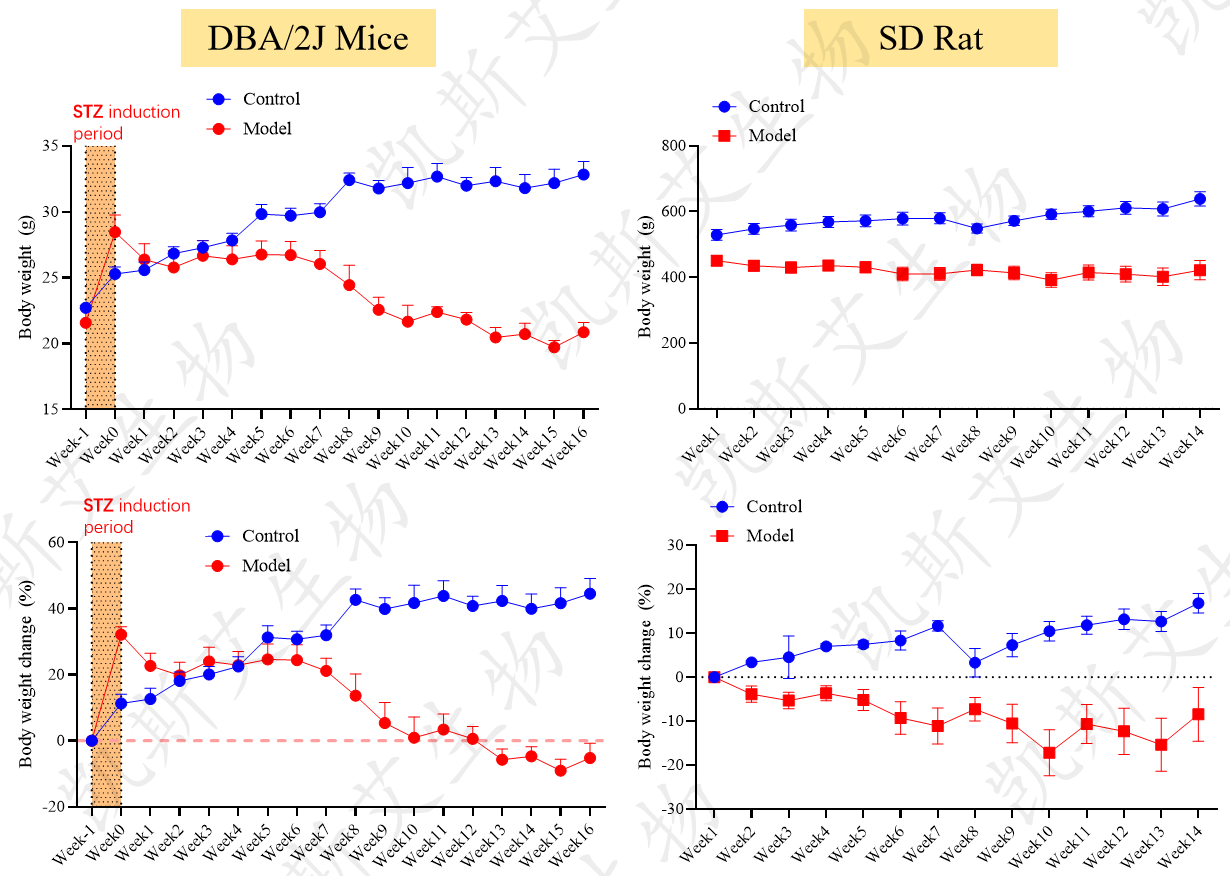
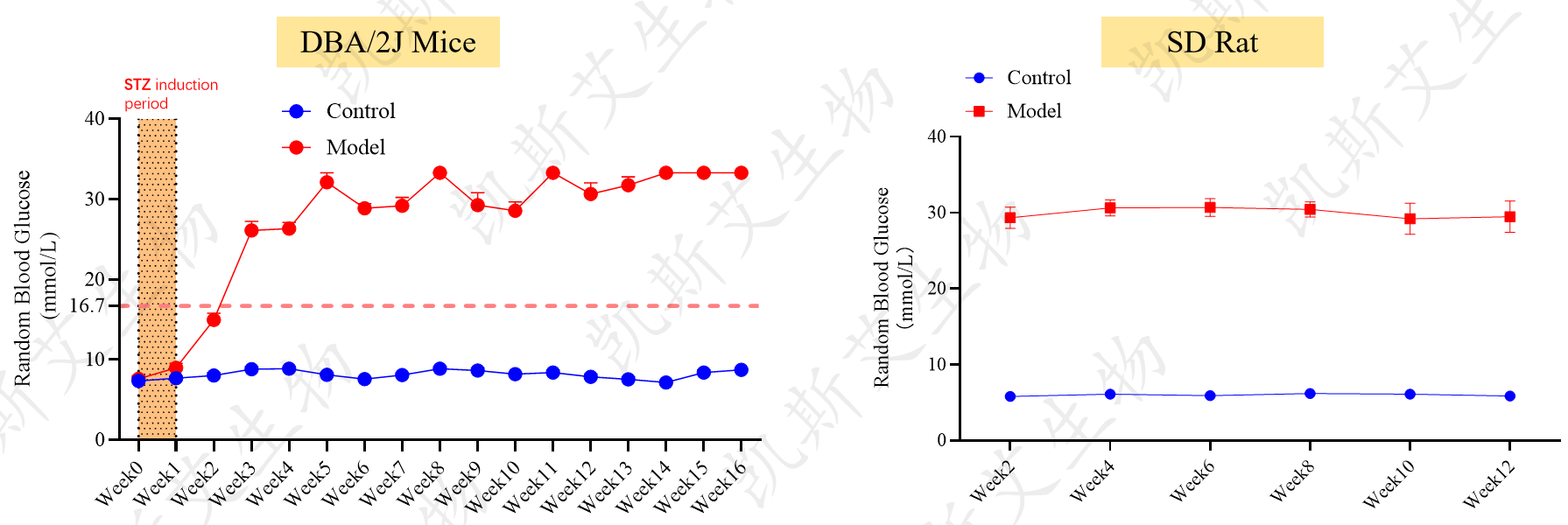
Low-dose STZ selectively destroys pancreatic β-cells and rapidly establishes a stable hyperglycemic state (random blood glucose > 16.7 mmol/L). Combined with HFD-induced metabolic disturbance, it produces persistent hyperglycemia, closely recapitulating the pathological progression of T2DM.
The combined intervention reconstructs the development and progression of Diabetic Kidney Disease (DKD) from multiple dimensions: metabolic abnormality, reduced renal reserve, and hyperglycemic toxicity. It avoids the atypical renal injury observed in the single STZ model, and enables hyperglycemia to exert maximal damaging effects against the background of metabolic disorder and increased renal load.
2. Four core advantages for accurate recapitulation of clinical pathologyAdvantage 1: Pathological phenotype highly consistent with human clinical manifestations
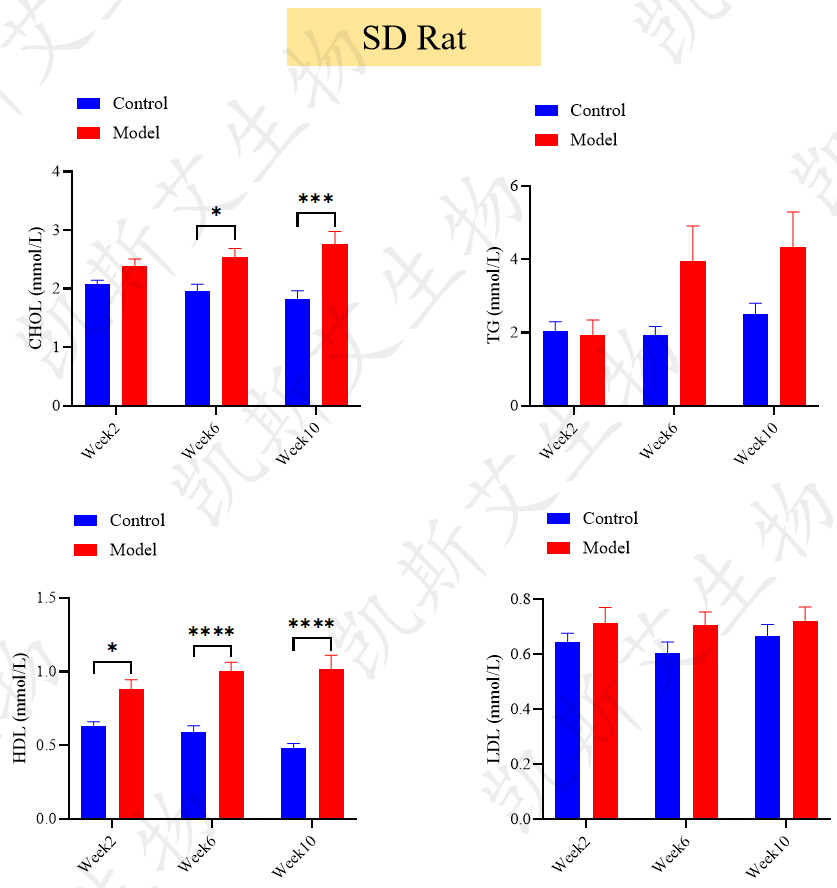
The model presents not only hyperglycemia but also hyperlipidemia and typical renal damage, perfectly reproducing the entire process from metabolic disorder to organ involvement.
Advantage 2: Distinct proteinuria characteristics
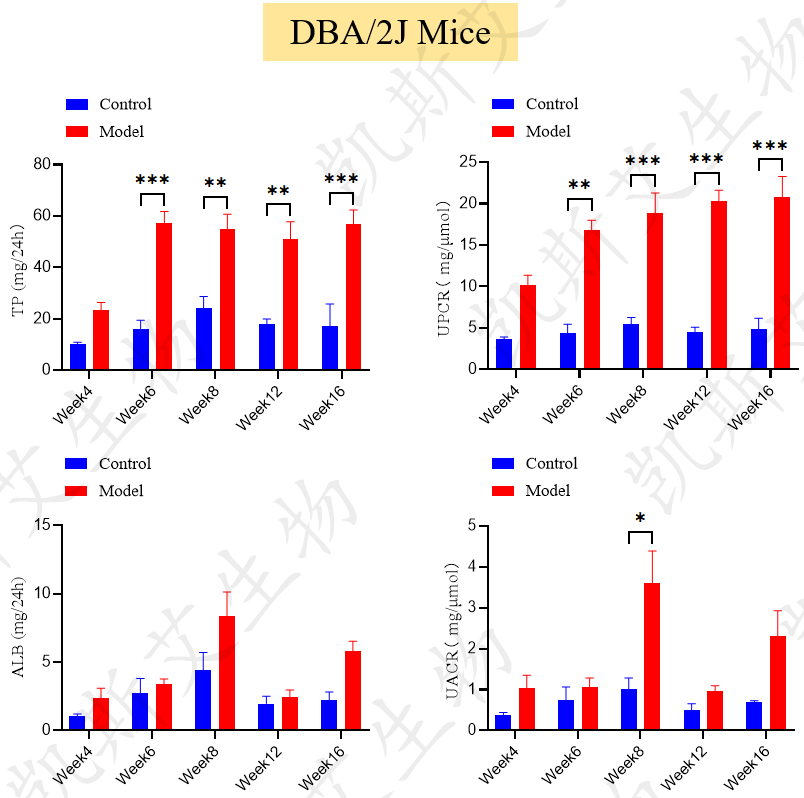
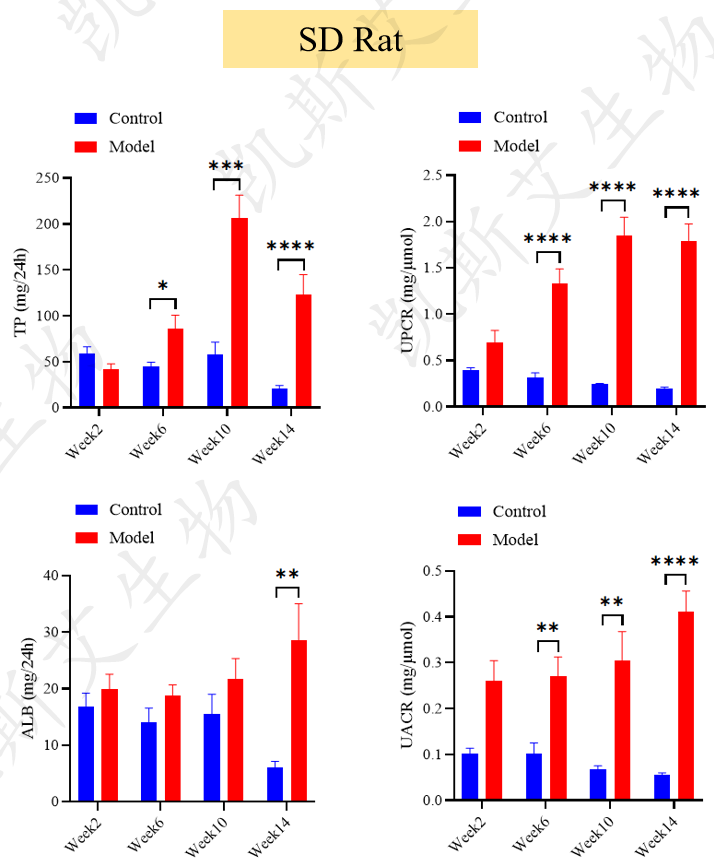
Due to the pressure load induced by unilateral nephrectomy, model animals steadily exhibit elevated proteinuria and increased urinary albumin, with progressive deterioration over time. It is suitable for long-term pharmacological efficacy evaluation and overcomes the shortcomings of slow onset and unstable presentation of proteinuria in traditional models.
Advantage 3: Classic pathological alterations
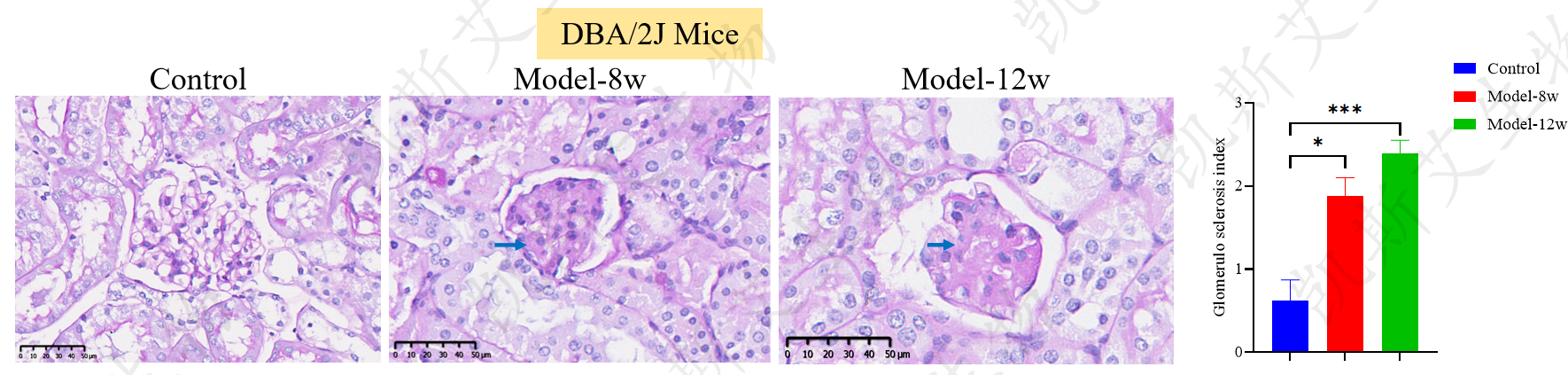
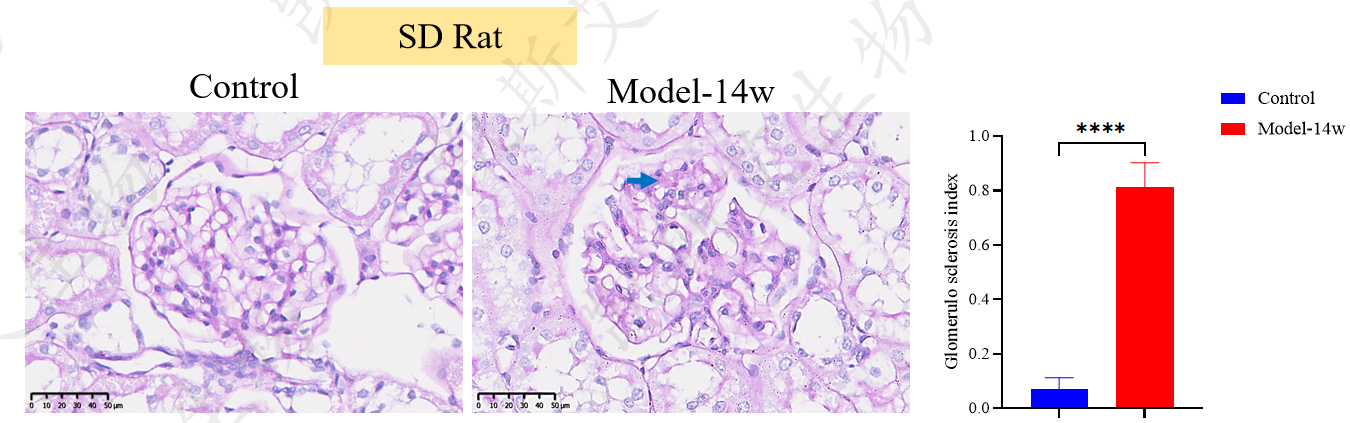
This model stably induces glomerular basement membrane thickening and mesangial matrix expansion. PAS staining reveals a significant increase in glomerulosclerosis score, providing solid evidence for drug efficacy evaluation.
Advantage 4: Comprehensive and rigorous evaluation dimensions
Systematic assessment can be performed covering metabolic parameters, urinary indicators, and histopathology. It is applicable to both pharmacological efficacy verification and mechanism research.
Case Sharing of Mouse and Rat Diabetic Nephropathy Model Induced by HFD+UNX+STZ
Data Presentation·Changes in metabolic indicators
·Detection of urinary parameters
·Four items of blood lipid profiling
·Kidney weight and renal index
·PAS staining results of renal histopathology
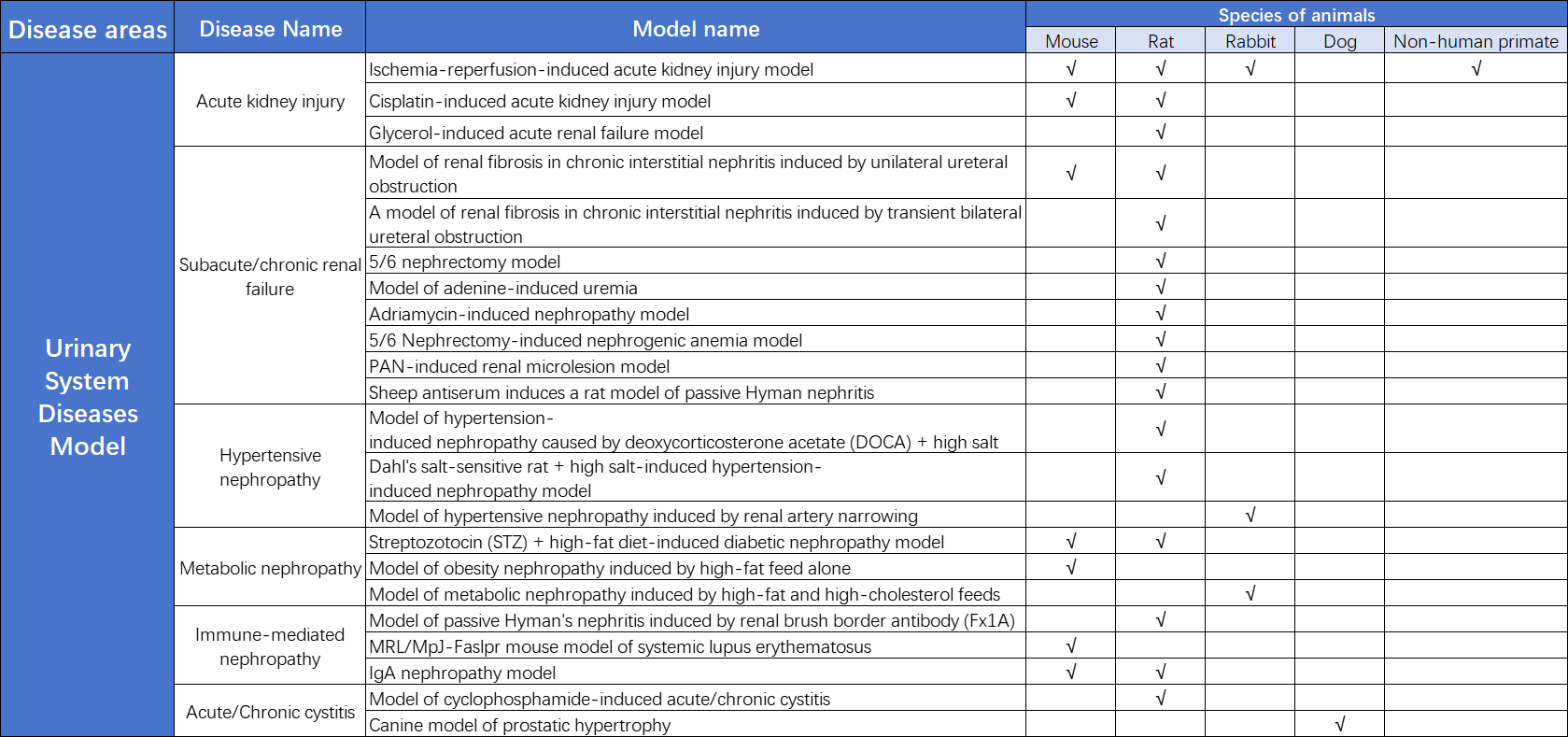
KCI•KMQ Pharmacodynamic Evaluation Platform for Urological Diseases
KCI•KMQ Pharmacodynamic Evaluation Platform for Urological Diseases owns a comprehensive animal model system and has accumulated rich project experience to meet diversified research demands. At present, the company has established extensive long-term cooperation with numerous well-known pharmaceutical enterprises and research institutions at home and abroad, laying a solid foundation for the development of innovative drugs.
Conclusion
Value of animal models: a critical bridge from mechanism analysis to clinical translation
The research difficulty of diabetic nephropathy lies in its multifactorial driven nature and chronic progressive characteristics. The combined HFD+UNx+STZ model established by KCI•KMQ simulates disease progression from multiple dimensions, providing researchers with a stable, reliable, and clinically relevant research tool.
Explore the essence of diseases, empower innovative research and development.
We are committed to facilitating continuous breakthroughs in therapeutic strategies for diabetic nephropathy through high-quality animal models and standardized systematic evaluation systems.