


Introduction
Chronic Obstructive Pulmonary Disease (COPD) is a respiratory disorder characterized by persistent airflow limitation, chronic airway inflammation and pulmonary parenchymal destruction. Globally, over 300 million people suffer from COPD, imposing an ever-growing disease burden. Ranked among the leading global causes of death, COPD is regarded as one of the most intractable chronic respiratory diseases to tackle in the future.
Overview of COPD Research Model
Today we provide a comprehensive interpretation of COPD animal models to advance scientific research and translational clinical understanding.
Basics of COPD
COPD onset is closely linked to long-term cigarette smoking, air pollution, occupational dust exposure, respiratory tract infections and other risk factors.01 Key Pathological Features of COPD
·Small airway inflammation
·Mucus hypersecretion
·Airway remodeling
·Alveolar wall destruction
·Emphysema formation
·Progressive decline in pulmonary function
02 Main Clinical Therapeutic Agents for COPD
Current medications only relieve symptoms yet fail to reverse disease progression.
Clinical COPD treatment primarily aims to alleviate symptoms and reduce acute exacerbations. Major therapeutic drugs are categorized as follows:
·Bronchodilators
·Long-acting β₂ agonists (LABAs)
Representative agents: Salmeterol, Formoterol, Indacaterol
Core effects: Relieve bronchospasm and improve ventilatory function
·Long-acting muscarinic antagonists (LAMAs)
Representative agents: Tiotropium, Glycopyrronium
Core effects: Reduce tension of airway smooth muscle and cut down acute exacerbation episodes
·Inhaled Corticosteroids (ICSs)
Representative agents: Budesonide, Fluticasone
Core effects: Suppress inflammatory responses
Limitations: Weak efficacy against neutrophilic inflammation and elevated risk of pneumonia
·PDE4 Inhibitors
Representative agent: Roflumilast, the only PDE4 inhibitor approved for COPD treatment
Core effects: Elevate intracellular cAMP levels and suppress inflammatory cell activation
Clinical application constraints: High incidence of adverse reactions including nausea, diarrhea and weight loss。
Overview of COPD Animal Models
The COPD animal models currently available at KCI Biotech include

The three stimulants target three core pathogenic pathways of COPD respectively. Combined triple stimulation recapitulates overlapping clinical pathological mechanisms of COPD. Distinct from single-factor COPD or simple bronchiectasis models, this model exhibits stable pathological phenotypes that closely mimic the natural clinical disease course:
·Cigarette Smoke (CS): Induces chronic airway oxidative damage, epithelial barrier disruption, glucocorticoid resistance and establishes a baseline of persistent airway inflammation
·LPS challenge: Simulates recurrent respiratory tract infections, triggers excessive innate immune activation and massive neutrophil infiltration/activation, recapitulating acute exacerbations of COPD (AECOPD/AE-Br)
·Porcine Pancreatic Elastase (PPE): Disrupts the in vivo protease-antiprotease balance, degrades elastic fibers and collagen in bronchial walls, resulting in irreversible bronchiectasis, alveolar structural destruction and emphysema. It serves as the core intervention to model organic bronchiectatic lesions.
Core Phenotypes of the Model:Sustained neutrophilic inflammation, abundant NET formation, mucus hypersecretion, ciliary dysfunction, irreversible structural airway injury, a vicious cycle of recurrent infection, and glucocorticoid resistance. No eosinophil infiltration is observed, making this model unsuitable for screening type 2 inflammatory targets.
This classic neutrophil-predominant COPD-bronchiectasis overlap model is applicable for investigating COPD pathogenesis, evaluating anti-inflammatory, airway repair and anti-emphysema novel drugs as well as inhaled formulations. It is especially ideal for candidate drug screening against AECOPD, shortening R&D cycles and lowering clinical translation risks. The model is widely utilized in pharmacological research, preclinical efficacy assessment and contract research organization (CRO) experimental services.
Key Assay Readouts
·Non-invasive pulmonary function testing
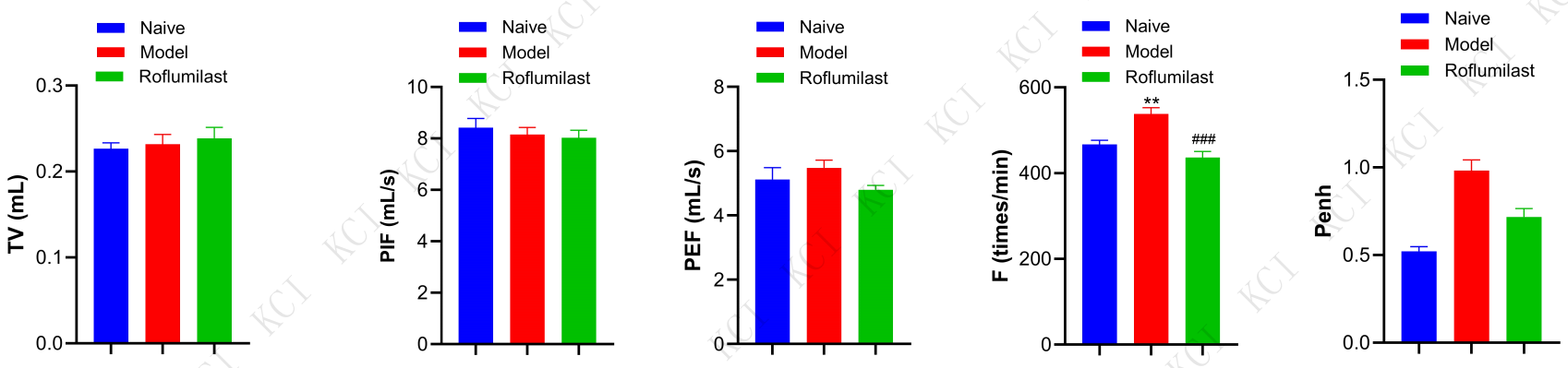
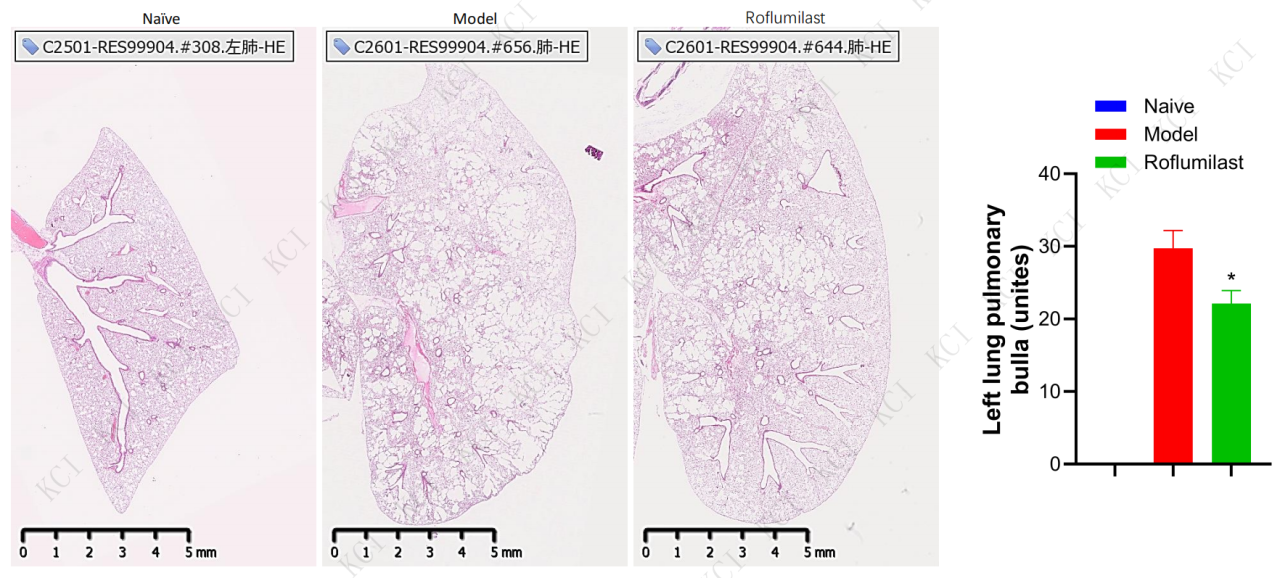
·Pulmonary histopathology: Emphysema, bullae and alveolar structural damage
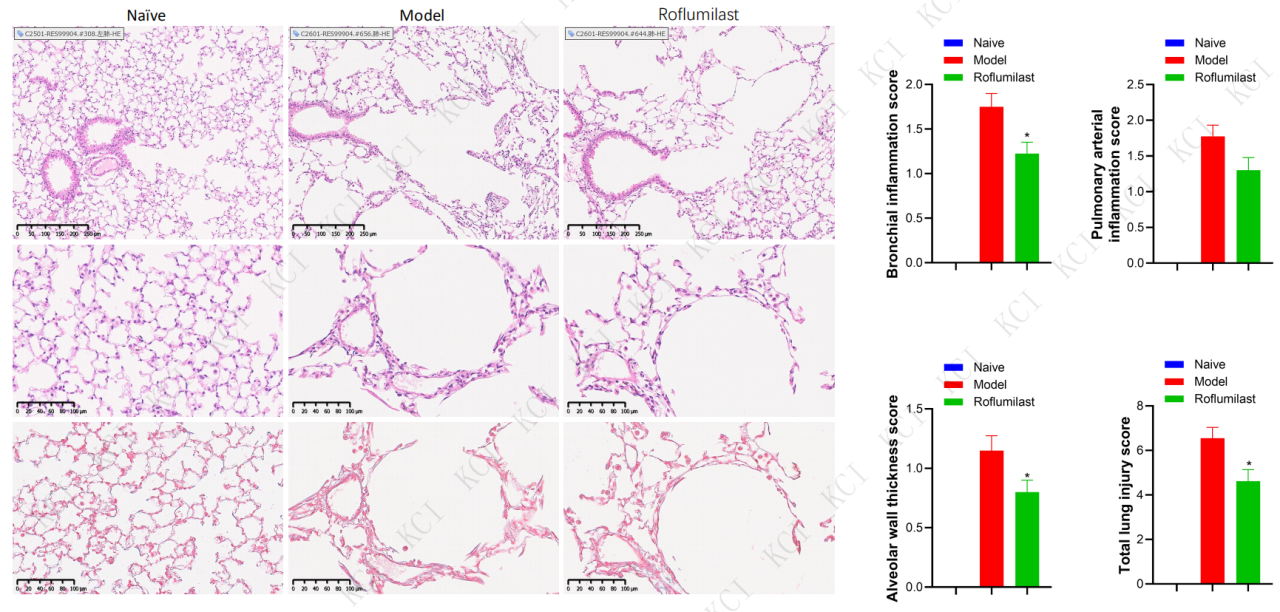
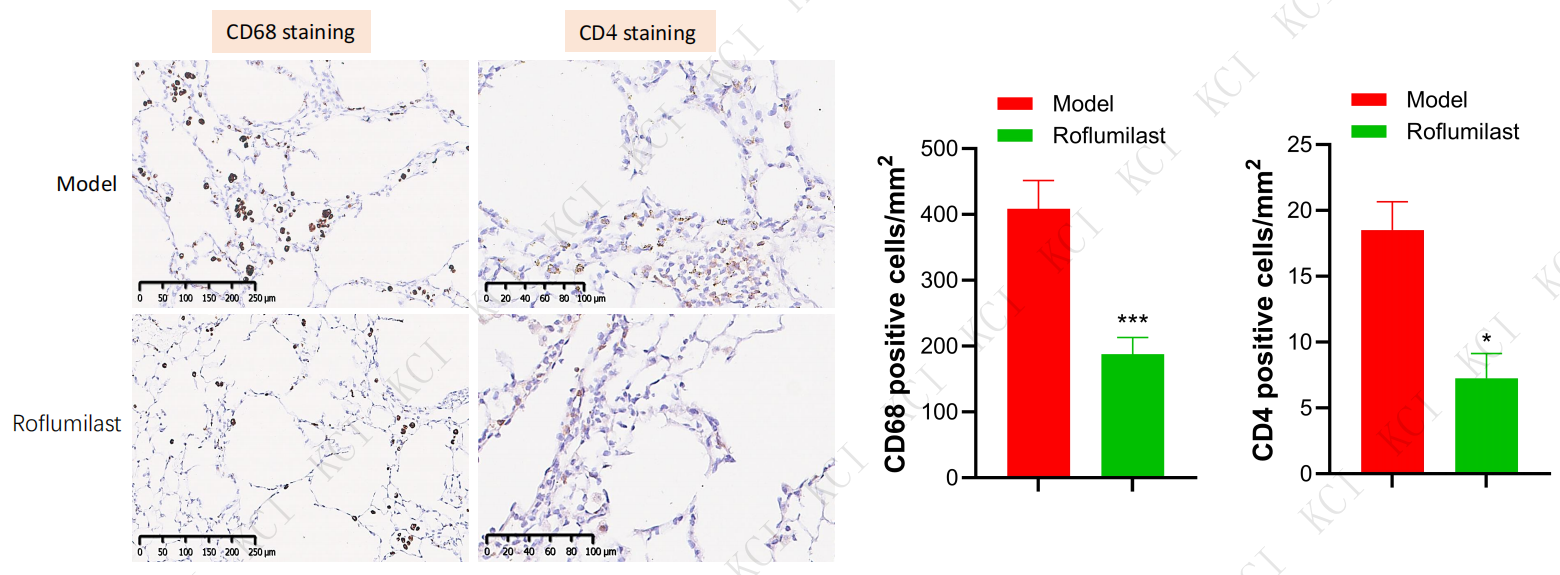
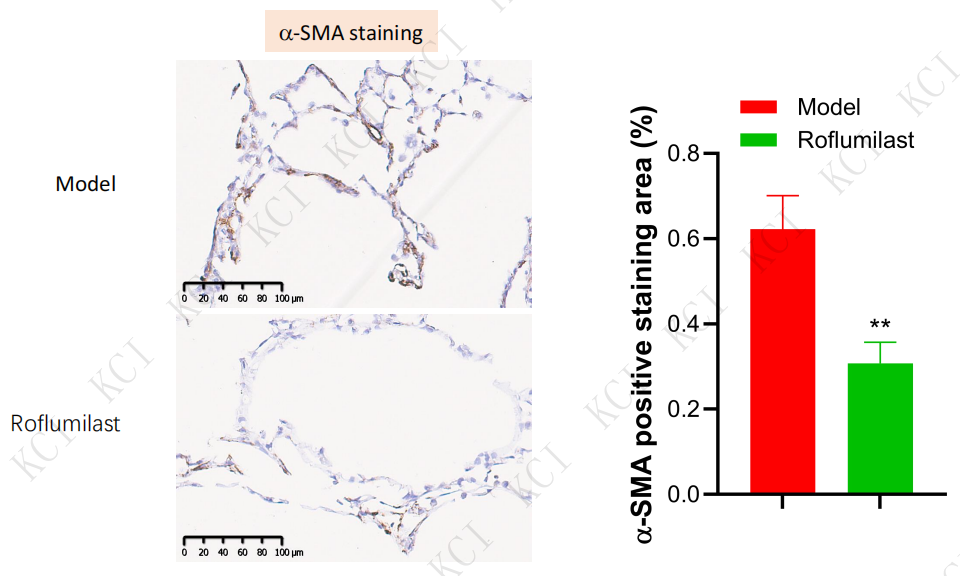
·Fibroblast proliferation in damaged regions
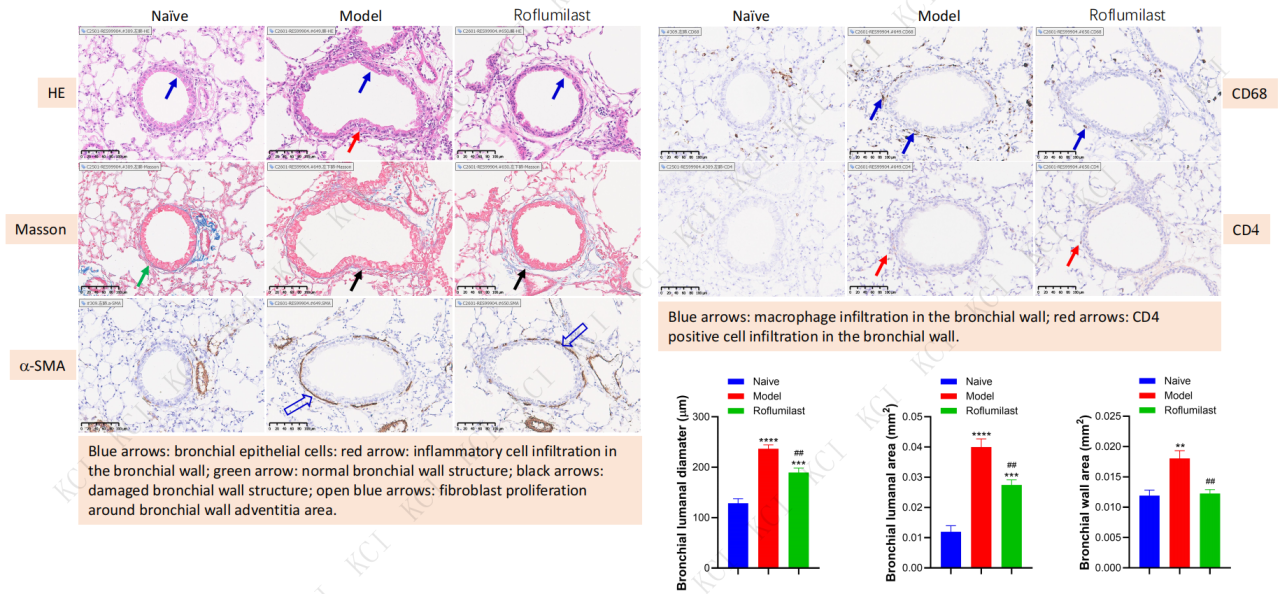
·Bronchiectasis
KCI·KMQ Respiratory Disease Pharmacology & Efficacy Evaluation Platform
The KCI·KMQ Respiratory Disease Pharmacology and Efficacy Evaluation Platform boasts a comprehensive portfolio of animal disease models and extensive accumulated project experience to meet diversified research demands. The company has built long-term extensive partnerships with numerous renowned domestic and international pharmaceutical enterprises and research institutions, laying a solid foundation for novel drug development.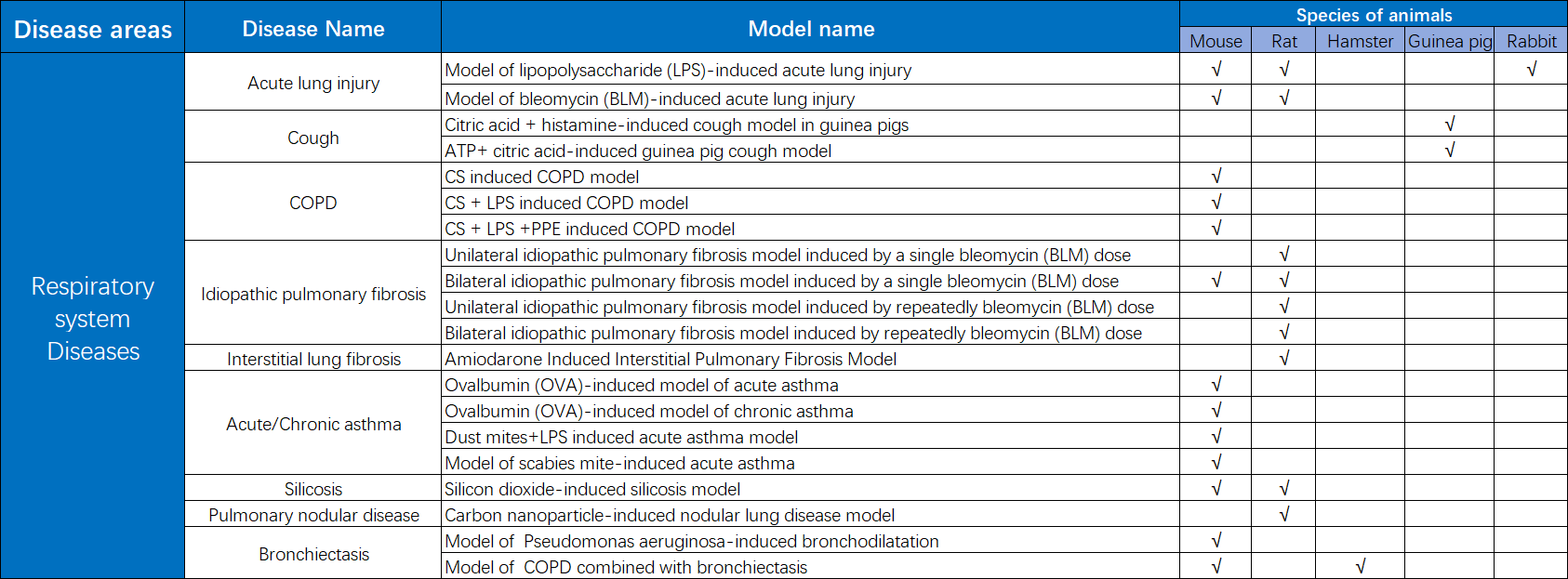
Conclusion
In preclinical COPD research, single readouts can hardly reflect comprehensive disease progression. A high-quality COPD pharmacodynamic evaluation platform must simultaneously cover three dimensions:·Pulmonary function (core disease indicator)
·Histopathology (structural tissue damage)
·Systemic physical status (disease severity stratification)
The successfully established COPD animal models at KCI·KMQ act as a critical bridge connecting basic research and clinical translation. Featuring stable and reproducible phenotypes, these models deliver reliable preclinical evaluation tools for novel COPD drug screening and mechanistic exploration, facilitating breakthroughs in COPD therapeutic strategies.