


Introduction
Asthma is a common chronic respiratory disease worldwide that can occur in all age groups. Allergic eosinophilic asthma is predominant in children, while adult asthma has a more complex classification, including eosinophilic, neutrophilic, and paucigranulocytic subtypes. Allergic asthma is often associated with atopy and may be accompanied by comorbidities such as allergic rhinitis and atopic dermatitis.
Come and take a look
This session will take you to dive into the OVA-induced mouse asthma model, helping advance new drug development and guide clinical trials.
About Asthma
Asthma is a heterogeneous chronic airway inflammatory disease characterized by chronic airway inflammation, airway hyperresponsiveness (AHR), excessive airway mucus secretion and airway remodeling. Its clinical manifestations include recurrent wheezing, chest tightness, shortness of breath and cough, which often worsen at night or in the early morning. Symptoms can resolve spontaneously or after pharmacological treatment.Key features include:
·Airway hyperresponsiveness (AHR)
·Activation of Th2 immune response: elevated levels of IL‑4, IL‑5 and IL‑13
·Increased serum IgE level
·Pathological manifestations:
✔Eosinophilic infiltration around bronchi and blood vessels
✔Goblet cell metaplasia of bronchial epithelium and mucus accumulation in the airway lumen
Therapeutic drugs mainly include:
·Bronchodilators:albuterol (β2 agonist), which dilates bronchi and ameliorates AHR
·Glucocorticoids:budesonide, dexamethasone, to inhibit inflammation, reduce eosinophilic infiltration and decrease mucus secretion
·Leukotriene receptor antagonists:montelukast
·Biological agents:anti‑IgE, anti‑IL‑5, anti‑IL‑13 and anti‑TSLP monoclonal antibodies.
Introduction to Mouse Asthma Models

·Sensitization phase (D0, D7):Intraperitoneal injection of OVA plus adjuvant (aluminum hydroxide) for sensitization;
·Challenge phase (D8–D14):Repeated intranasal OVA challenge.
🔷 This model has a short modeling cycle (sensitization plus challenge can be completed within 2 weeks), which is suitable for high-throughput primary screening of candidate compounds.


Case Sharing on Efficacy Evaluation of Dexamethasone and Budesonide in OVA‑induced Asthma Model of BALB/c Mice
·Body Weight and Lung Index

·Airway Responsiveness Measurement

·Inflammatory Infiltration and Scoring of Bronchi and Blood Vessels


KCI・KMQ Pharmacology and Efficacy Evaluation Platform for Respiratory Diseases
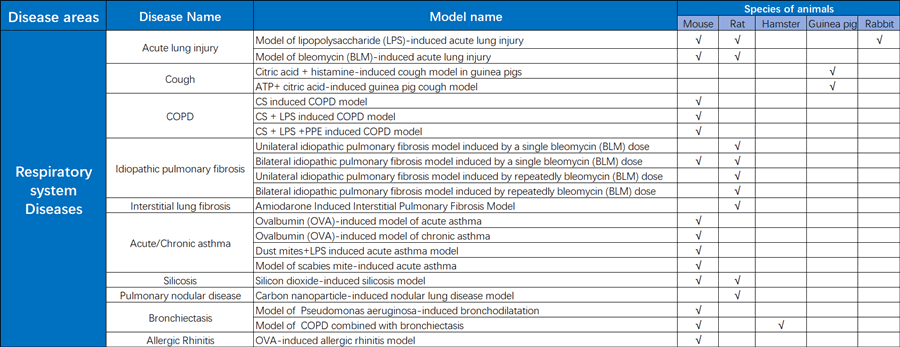
The KCI・KMQ Pharmacology and Efficacy Evaluation Platform for Respiratory Diseases boasts a comprehensive animal model system. With accumulated extensive project experience, the platform can meet diverse research requirements.The company has established extensive long-term collaborations with numerous well-known pharmaceutical enterprises and research institutions at home and abroad, laying a solid foundation for the development of innovative drugs.
Conclusion

Successful establishment of asthma animal models serves as a critical link between basic research and clinical applications. Their stable and reliable characteristics provide strong support for research on asthma pathogenesis, drug development, and safety evaluation of clinical medications. The animal disease models of KCI・KMQ play a vital role in this field. Relying on professional model establishment and evaluation systems, we continuously deliver robust support for research institutions and pharmaceutical enterprises, jointly accelerating the translational progress from basic understanding to therapeutic breakthroughs in asthma research.
If you require the detailed experimental protocol of the model, please leave a message in the comment section, and we will respond to you promptly~
