


 Introduction
Acne
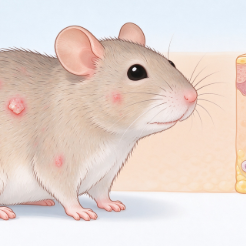
Acne is a chronic inflammatory skin disease affecting the pilosebaceous unit. It commonly occurs in sebaceous gland-rich areas such as the face, chest and back. Its clinical manifestations range from mild to severe: comedones (blackheads / whiteheads), inflammatory papules and pustules. In severe cases, nodules and cysts may form, and post-inflammatory hyperpigmentation and atrophic scars are likely to remain after healing.
Come and take a look
Today, we will systematically introduce acne animal models to help advance new drug R&D and guide clinical trials.
About Acne
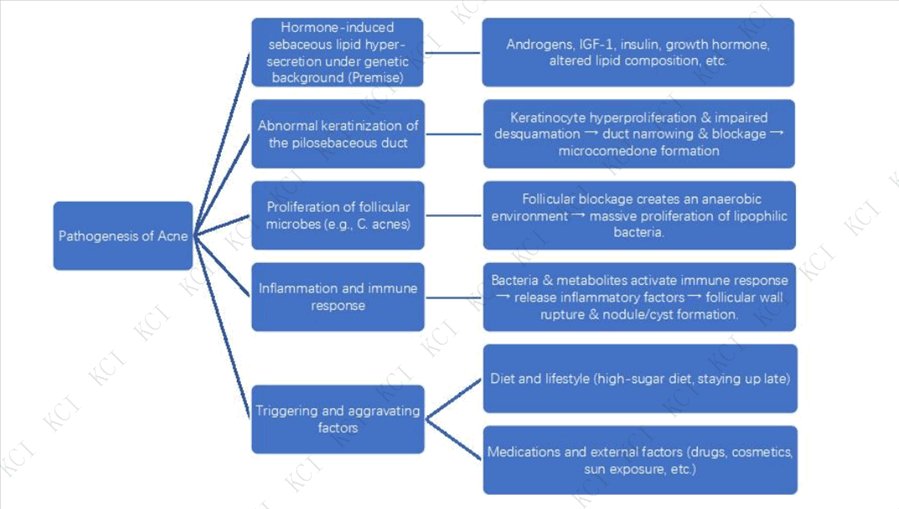
Acne arises from comprehensive dysregulation of the pilosebaceous unit regulatory system, mainly involving four major pathways: hormonal signaling, lipid metabolism, follicular keratinization and immune inflammation. Acne results from the combined effects of dominant internal factors (imbalance of the four pathways) and catalytic external factors (genetics, diet, lifestyle, medications, etc.). The interplay of internal and external factors creates a vicious cycle: hormones stimulate secretion, lipids promote bacterial proliferation, keratinization causes blockage, and inflammation aggravates tissue damage.
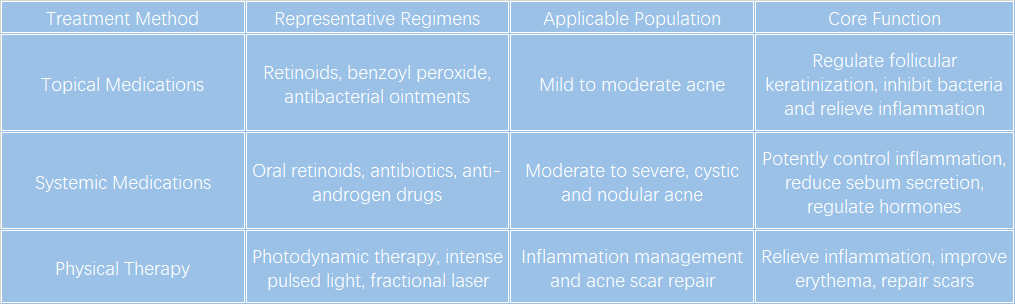
Although several well-established therapeutic regimens are available clinically, unmet challenges including drug resistance, skin irritation, recurrence and scar sequelae have not been fully resolved. There remains a strong demand for the research and development of innovative anti-acne drugs, novel targets and new topical formulations. In recent years, research focus has gradually shifted to non-antibiotic strategies, such as targeted inhibitors of inflammatory pathways, antimicrobial peptides, skin microecology regulators (probiotics / phage therapy), topical anti-androgen preparations, plant-derived active compounds and novel nano-delivery formulations. These approaches aim to achieve multi-target anti-inflammatory effects, reduce irritation and lower drug resistance, so as to provide more options for acne treatment.
In vitro cell experiments cannot recapitulate the skin microenvironment, sebaceous gland secretion and the linked in vivo immune-inflammatory responses. Standardized acne animal models therefore serve as indispensable core tools for preclinical pharmacological, pharmacodynamic and safety evaluation. The Anti-infection Vaccine and Drug R&D Service Platform of KCI・KMQ has successfully established a variety of acne animal models, which can provide strong support for acne pathogenesis research, drug development and clinical medication safety assessment.


Case Sharing of Acne Animal Models
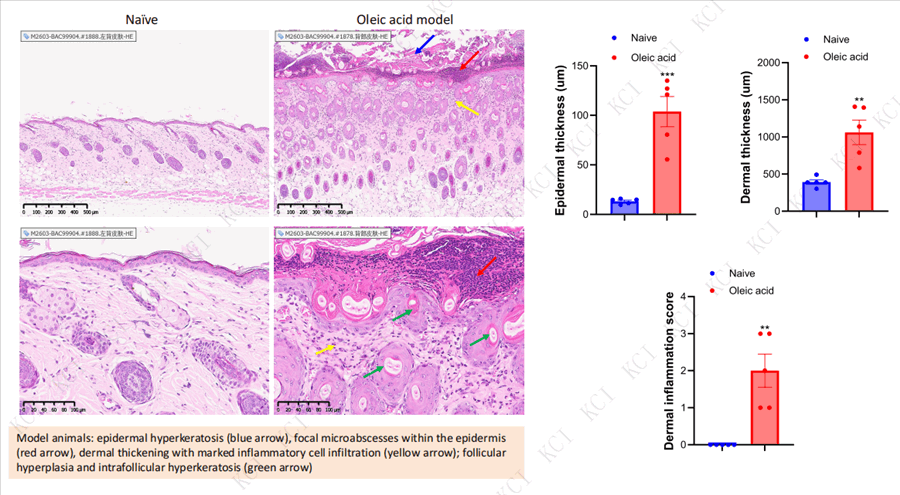
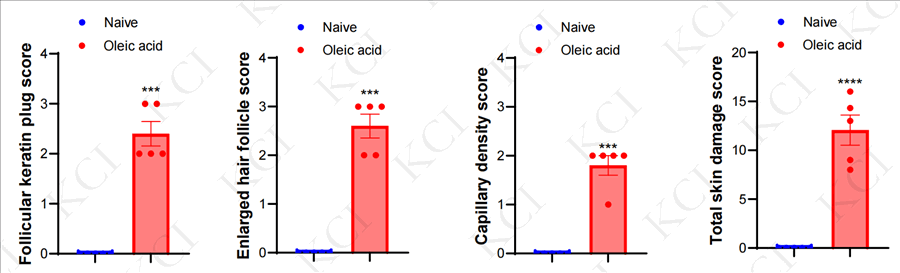
01 Oleic Acid-induced Acne Model on Mouse BackData Presentation
·Dynamic Observation and Scoring of Skin Appearance
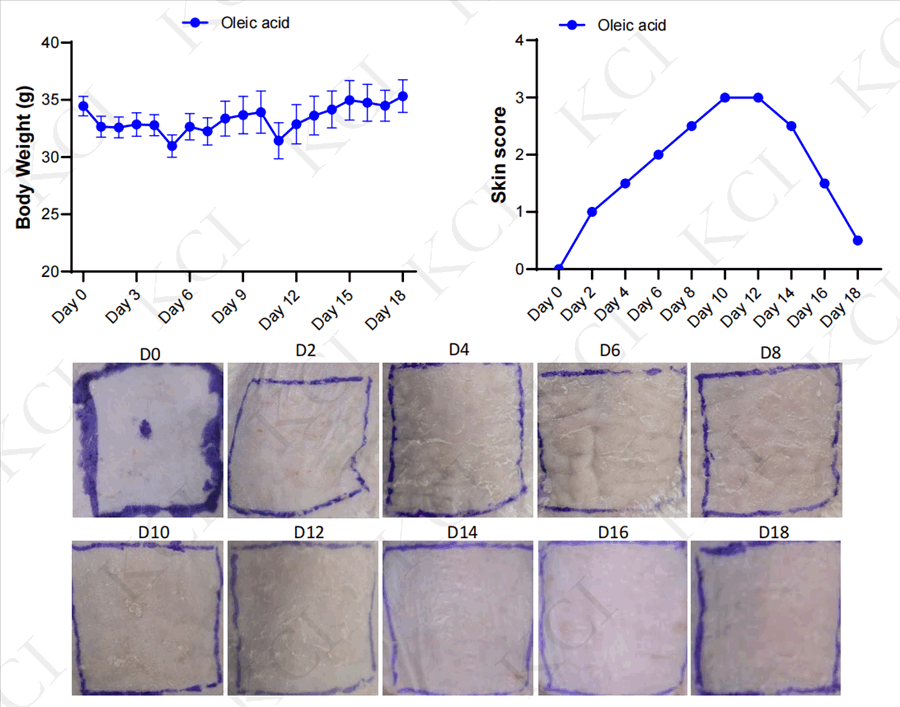
·Skin Pathological Detection and Analysis
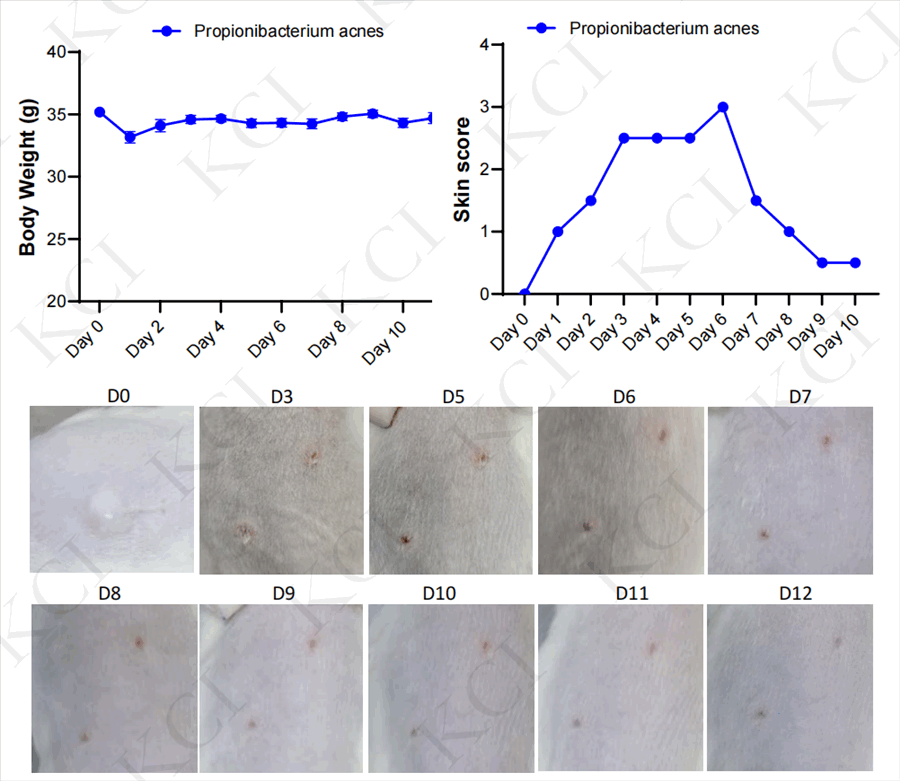
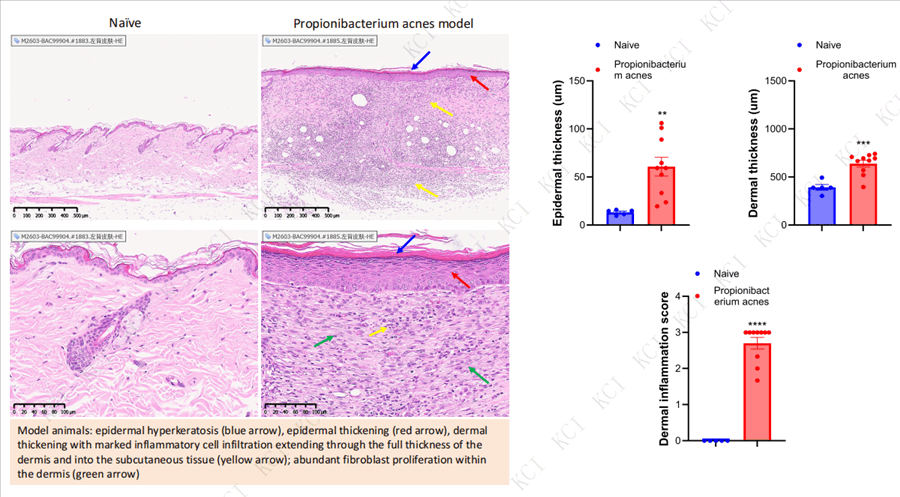
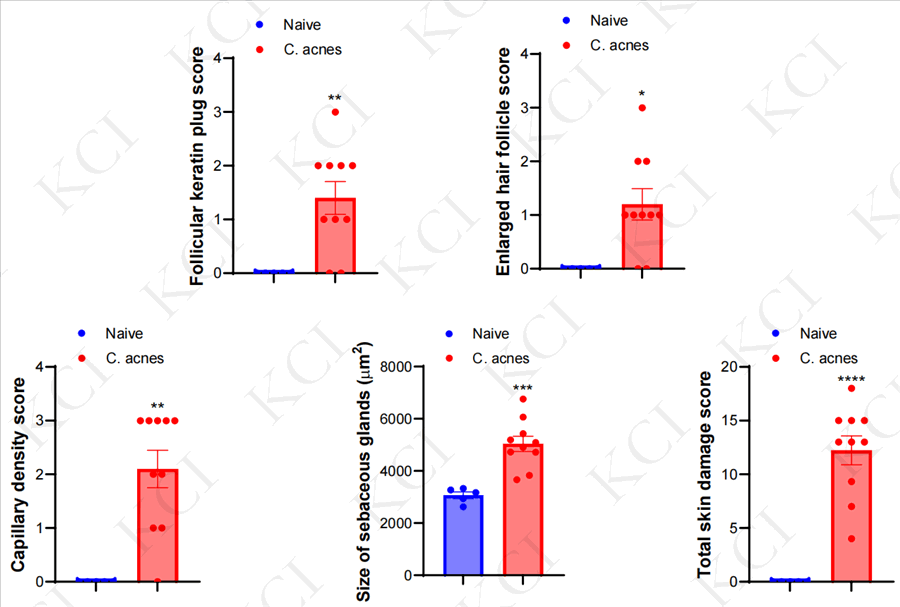
02 Cutibacterium acnes-induced Mouse Acne Model
Data Presentation
·Dynamic Observation and Scoring of Skin Appearance
·Skin Histopathological Examination and Analysis
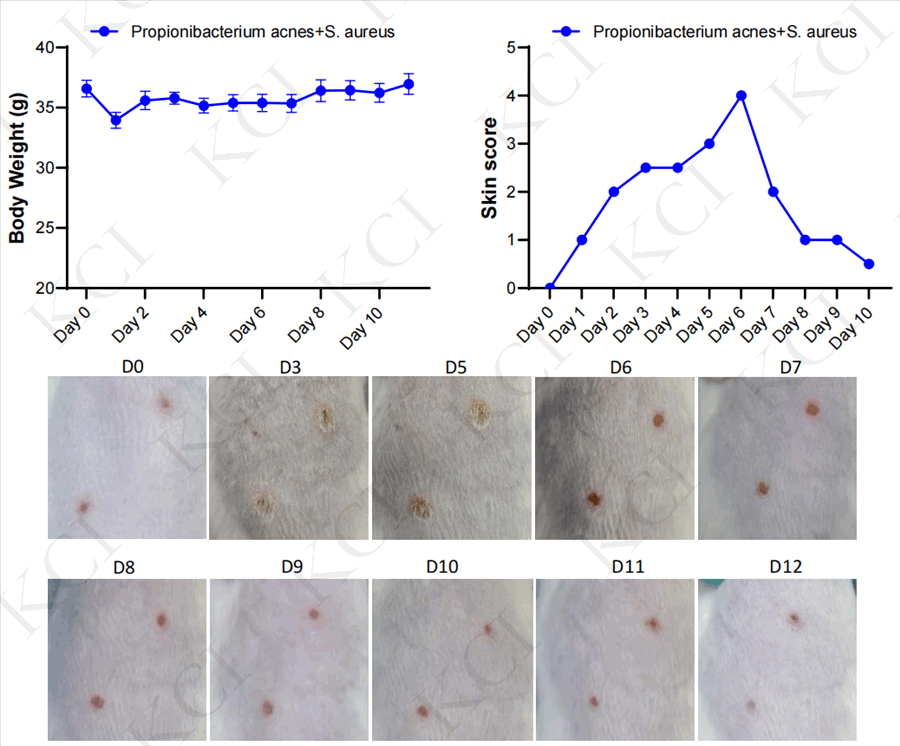
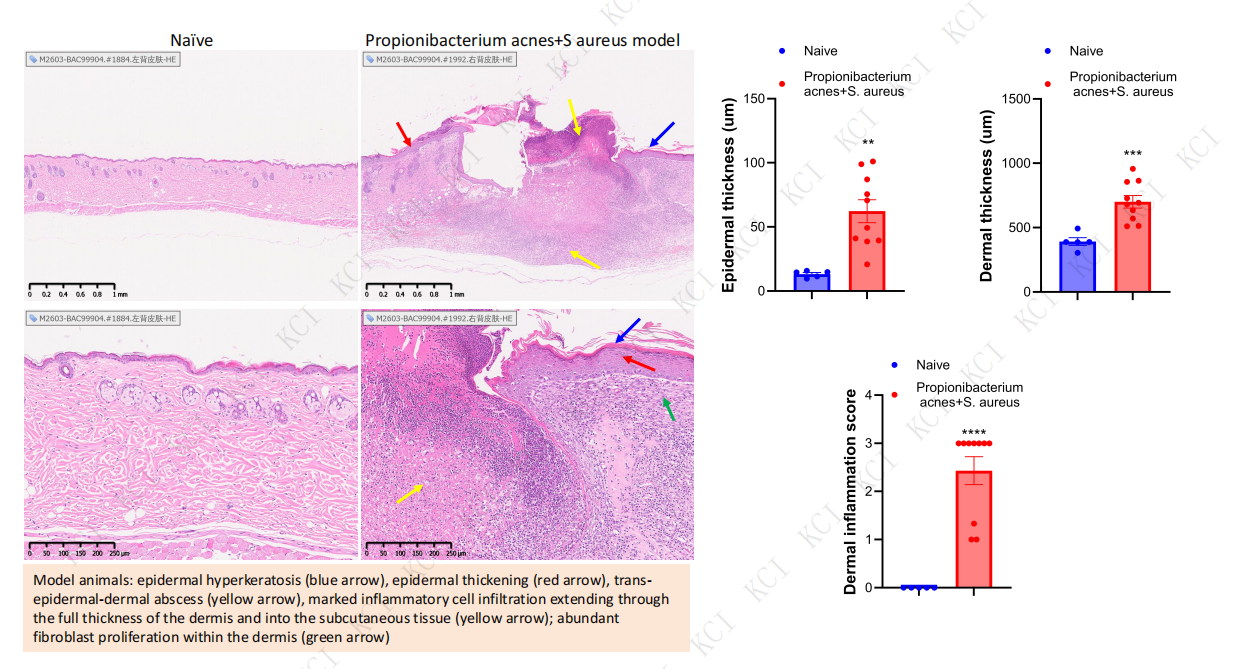
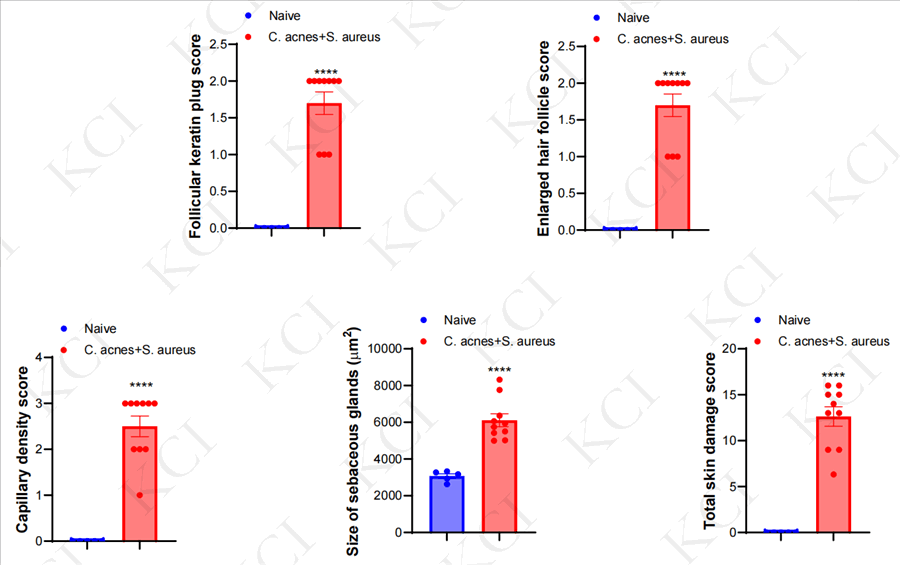
03 Cutibacterium acnes + Staphylococcus aureus Co-induced Mouse Acne Model
Data Presentation
·Dynamic Observation and Scoring of Skin Appearance
·Skin Histopathological Examination and Analysis
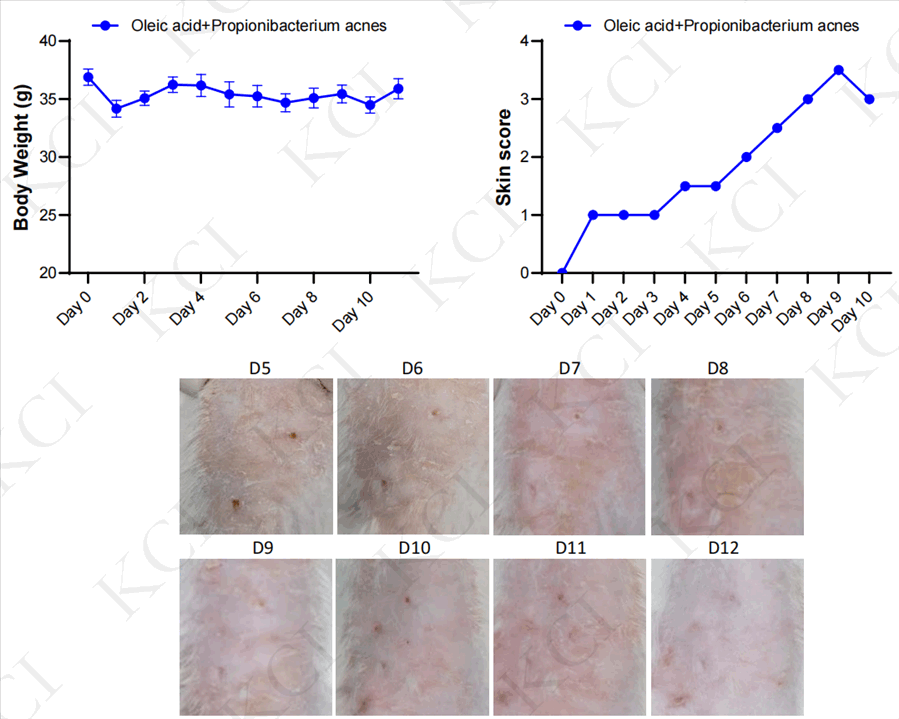
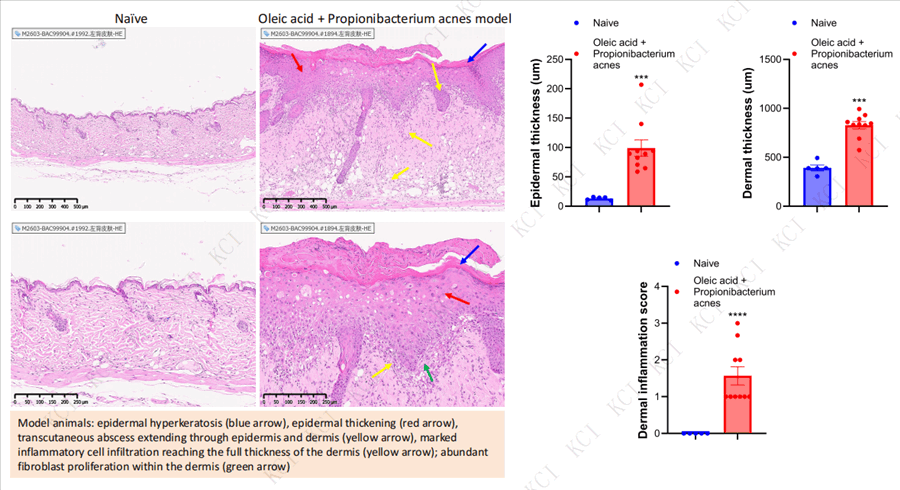
04 Oleic Acid + Cutibacterium acnes-induced Mouse Acne Model
Data Presentation
·Dynamic Observation and Scoring of Skin Appearance
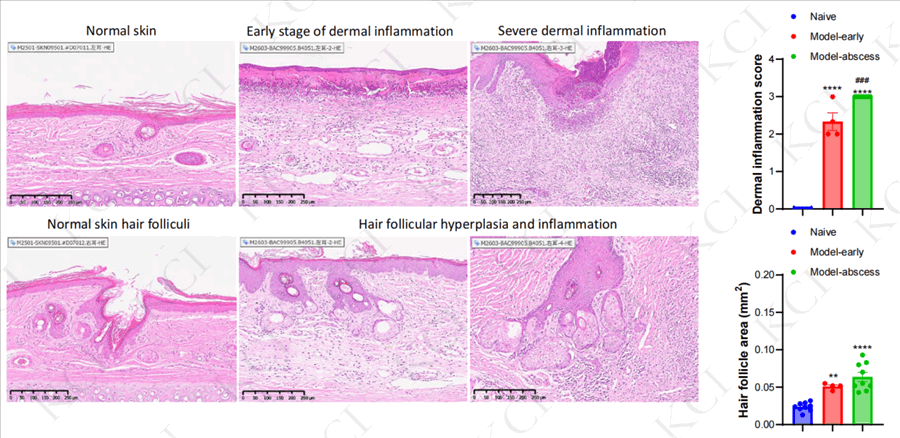
·Skin Histopathological Examination and Analysis
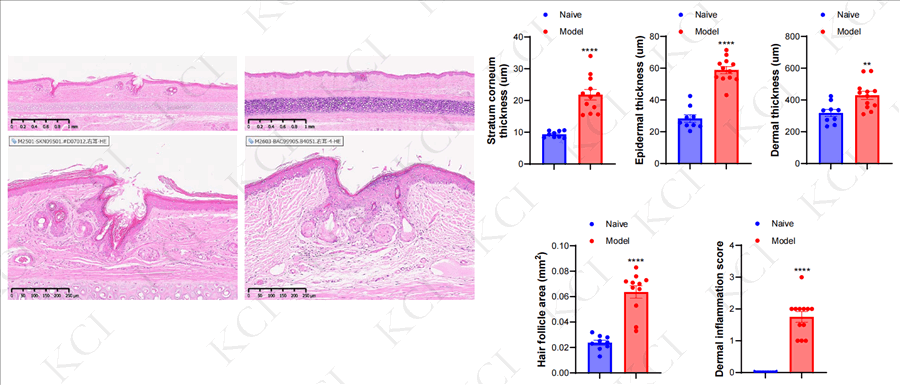
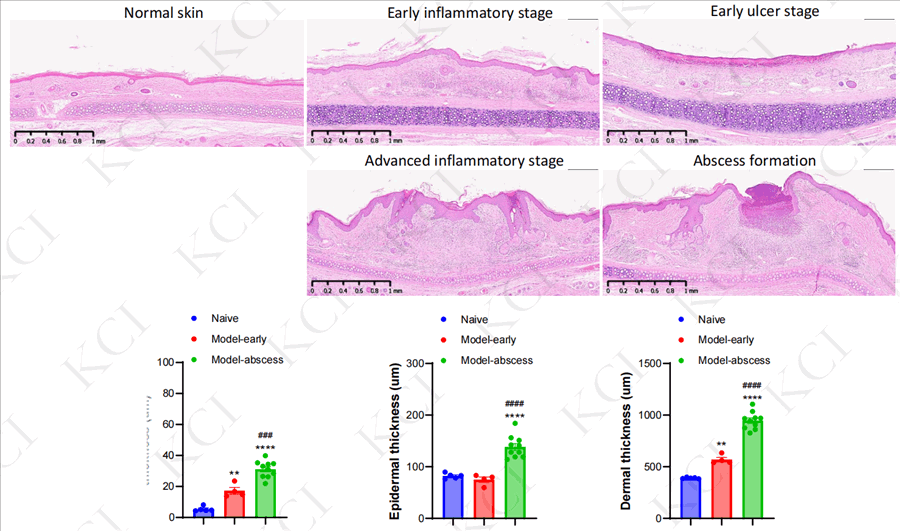
05 Oleic Acid Smearing plus Cutibacterium acnes-induced Rabbit Ear Acne Model
Data Presentation
·Dynamic Observation and Scoring of Skin Appearance

·Skin Histopathological Examination and Analysis – Simple Oleic Acid Model
·Skin Histopathological Examination and Analysis – Oleic Acid Smearing plus Cutibacterium acnes Model
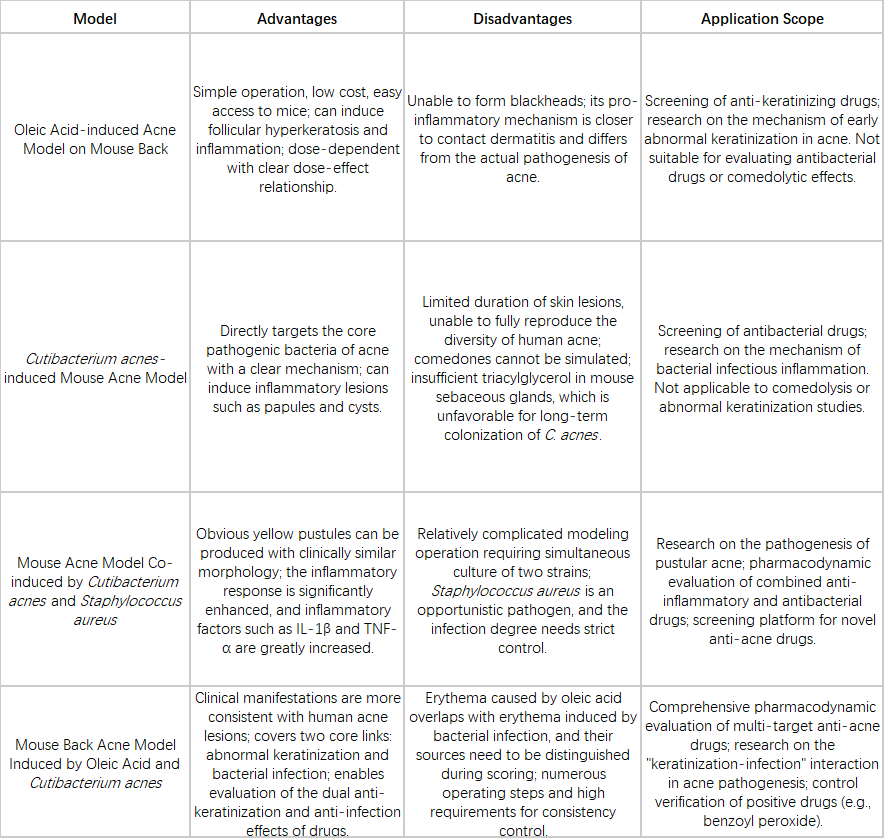
Advantages, Disadvantages and Application Scope of Animal Models
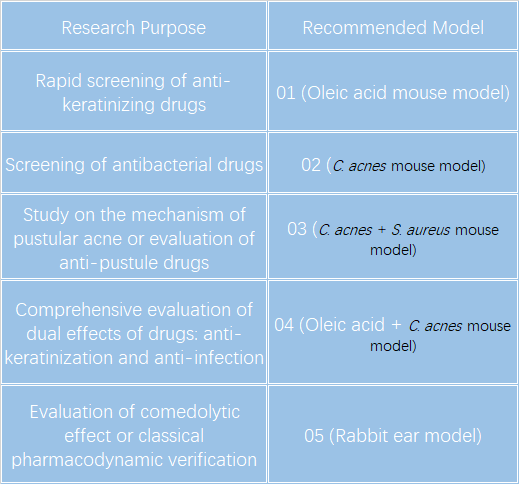
 Model Selection Recommendations
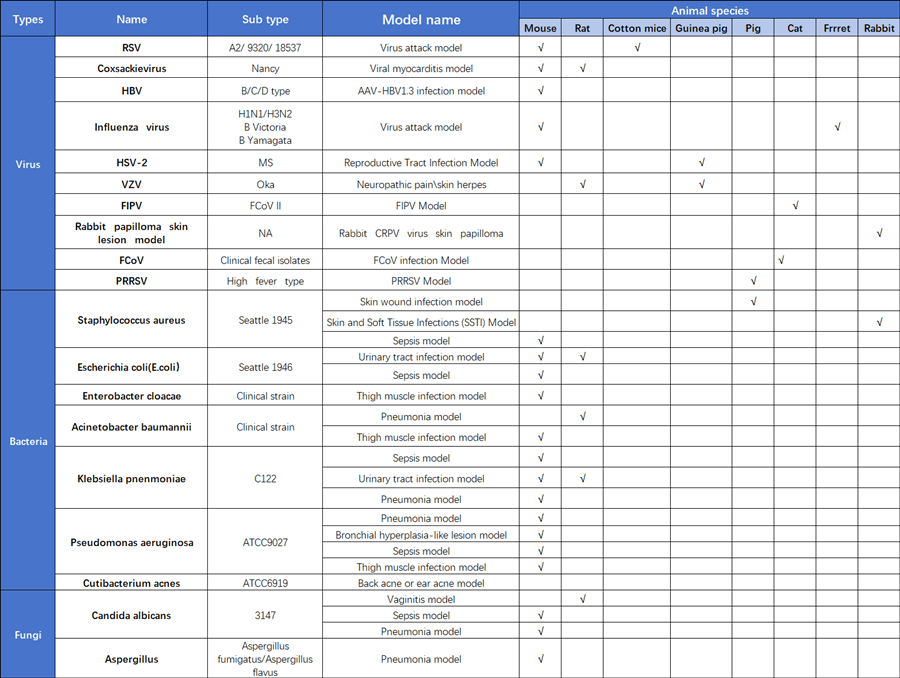
 KCI·KMQ Anti-infection Vaccine and Drug R&D Service Platform

·In vitro anti-infection pharmacodynamic tests:antiviral activity – EC50/CC50 detection; MIC susceptibility test; FIC determination; assessment of impacts on biological characteristics, etc.
·In vivo immunogenicity tests for vaccines:neutralization assay, hemagglutination inhibition assay, cellular immunity evaluation, etc.
·Animal challenge protection tests:for vaccines and antiviral drugs;
·Infectious animal studies.
 Conclusion
If you would like to obtain the detailed experimental protocols of the models, please leave a message in the comment section, and we will respond to you promptly.