


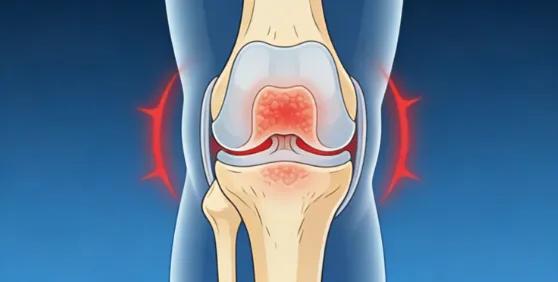
From basic pathological mechanism research to innovative drug screening and validation of new treatment plans, scientific breakthroughs and clinical progress in osteoarthritis always rely on "stable, accurate, and highly realistic disease models" as the core support. A high-quality osteoarthritis model is a key bridge connecting laboratory basic research with clinical translational applications, and is also a core carrier for solving current industry treatment bottlenecks and accelerating new drug development. Today, we will comprehensively introduce the core progress in the field of osteoarthritis treatment and model development, while sharing our team's years of expertise in technology platforms and practical cases.
Market situation
Global market
Mature but with significant unmet needs. The current market is mainly dominated by traditional treatment options, including nonsteroidal anti-inflammatory drugs, intra-articular injections, and end-stage artificial joint replacement. The global market for nonsteroidal anti-inflammatory drugs is expected to reach approximately $16.4 billion in 2022, and is projected to steadily grow at a compound annual growth rate of 4.2% until 2030. These drugs can relieve pain, but long-term use carries gastrointestinal and cardiovascular risks, and cannot reverse the course of the disease. The market for M09 drugs with greater potential (including innovative drugs for osteoarthritis) is growing faster and is expected to reach $20.5 billion by 2027, reflecting an urgent need for truly effective therapies.current treatment status
|
|
|
|
|
|
|
|
|
|
|
|
COX-2 selective inhibitor: Celecoxib |
|
|
|
|
Hyaluronic Acid |
Sodium hyaluronate: has a sustained pain relieving effect and a certain protective effect on cartilage |
Sodium hyaluronate: There is some controversy over its efficacy, and it may not be effective for everyone |
KCI•KMQ Bone/Joint/Muscle System Disease Pharmacodynamic Evaluation Platform
KCI•KMQ Bone/Joint/Muscle System Disease pharmacological evaluation has a comprehensive animal model system and has accumulated rich project experience, which can meet diverse research needs. At present, the company has established extensive long-term cooperation with many well-known pharmaceutical companies and research institutions at home and abroad, providing a solid foundation for the development of innovative drugs.
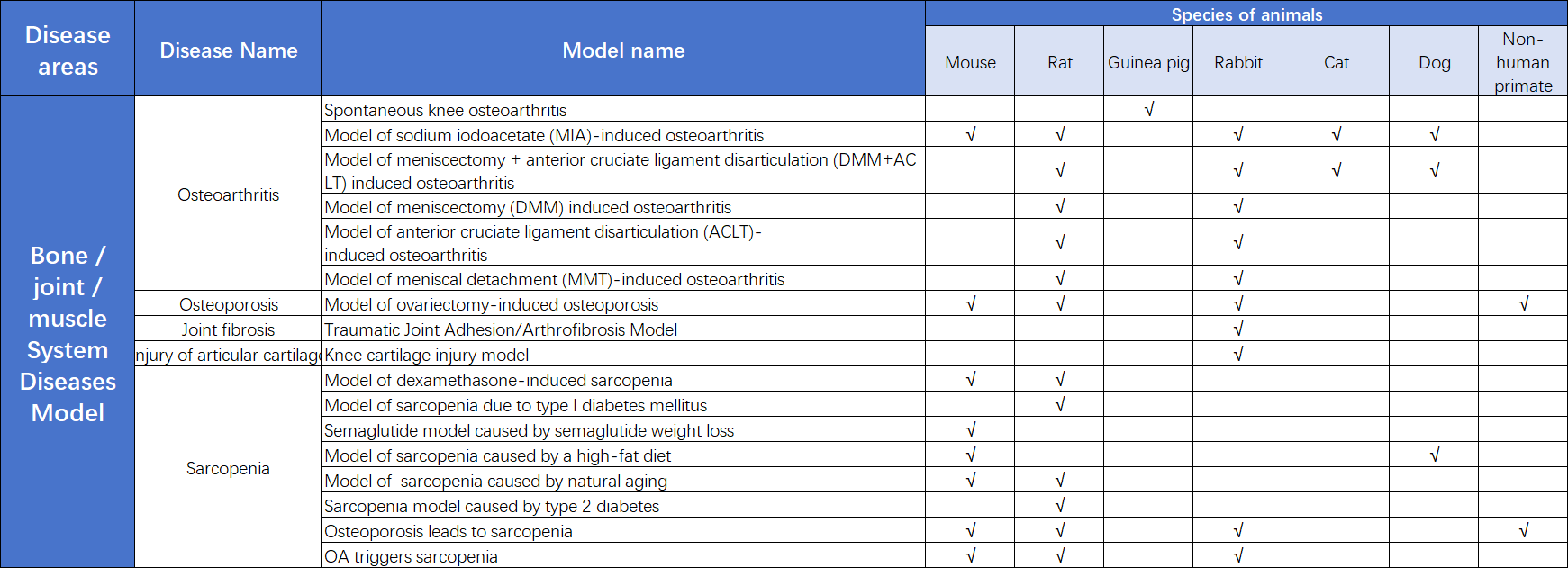
Introduction and Case Study of Osteoarthritis Model
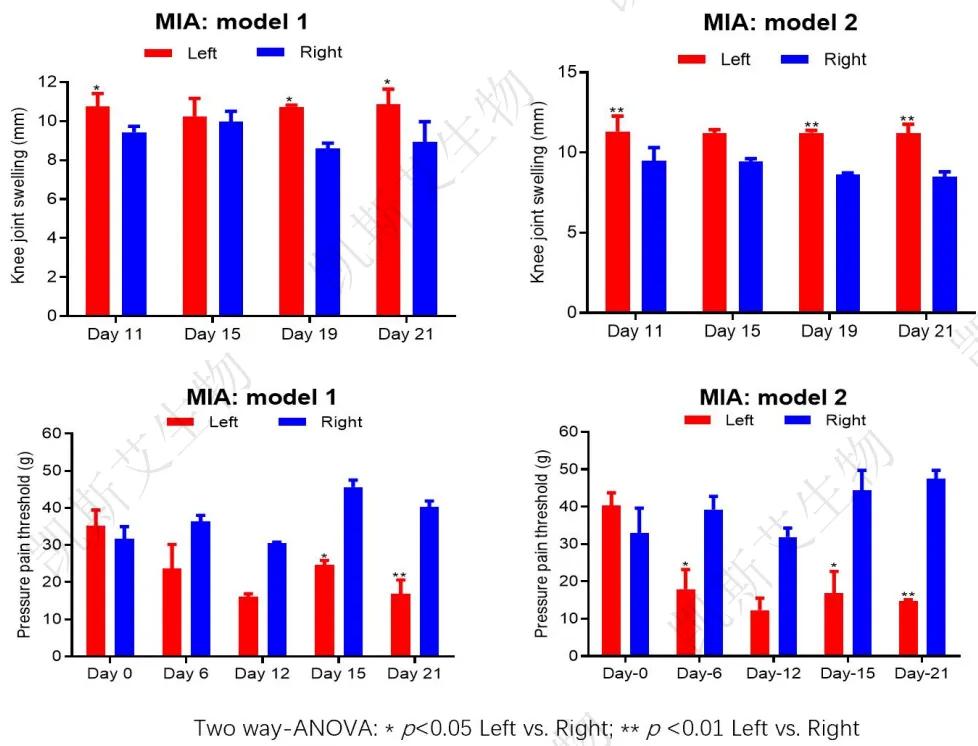
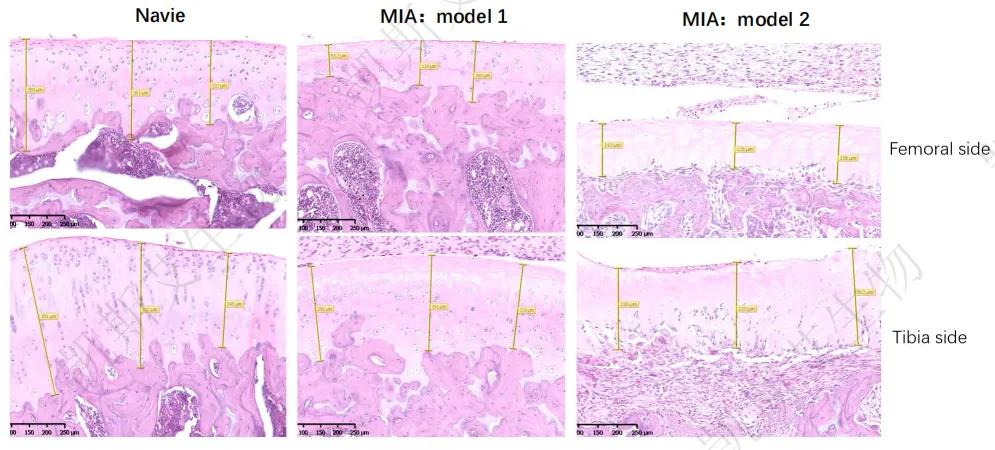
01 MIA induced osteoarthritis model in SD rats
Data display
Joint swelling, joint tenderness, pathology
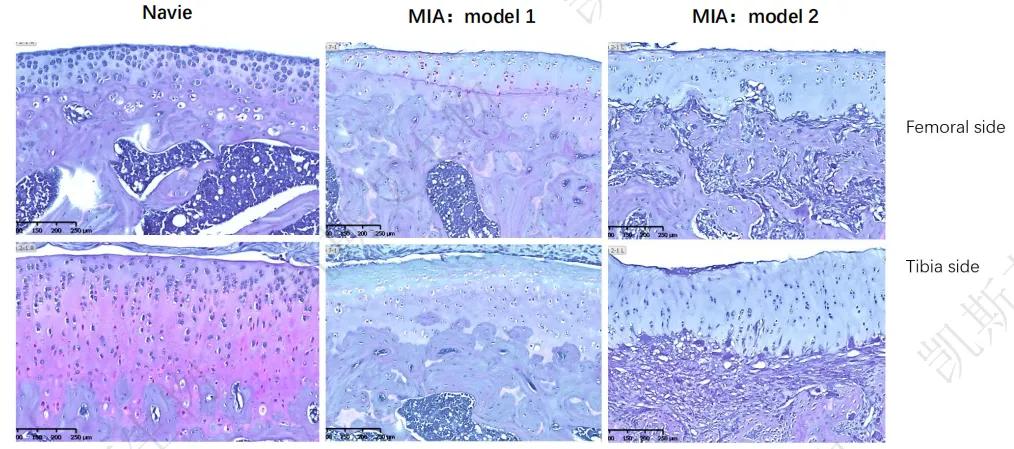
-
Case Study - Inhibitors
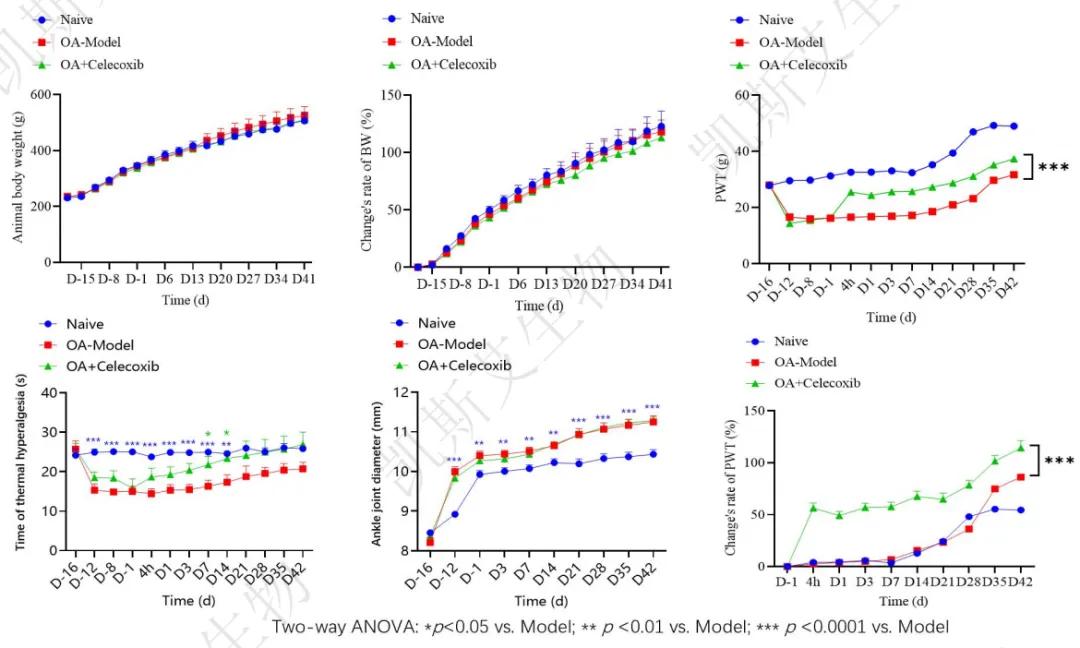
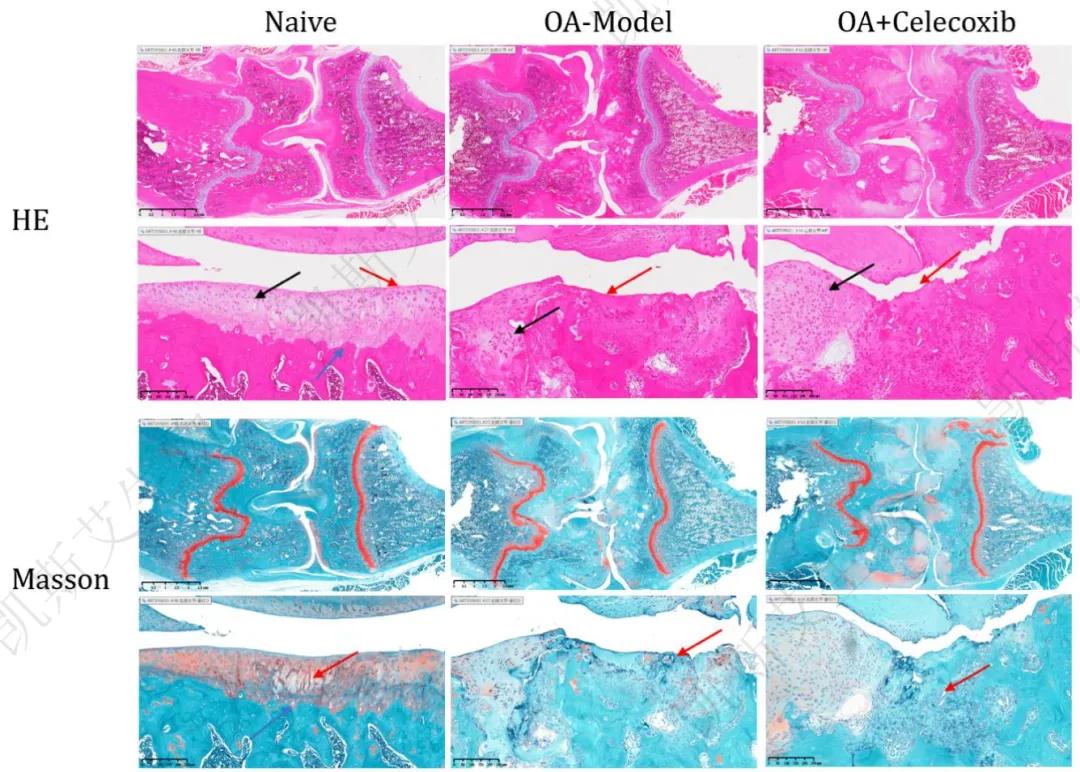
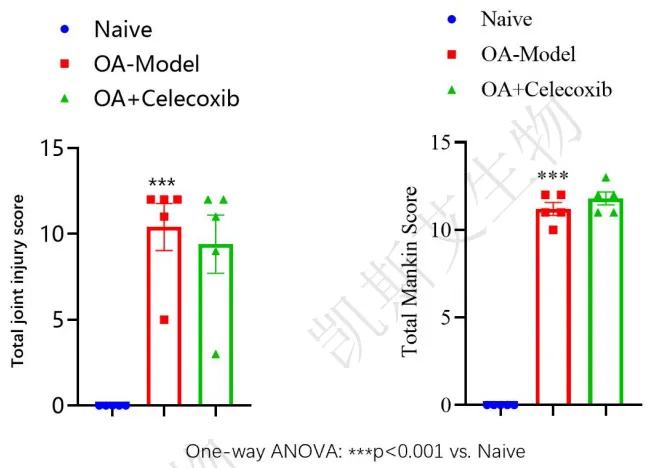
02 MIA induced mouse osteoarthritis model
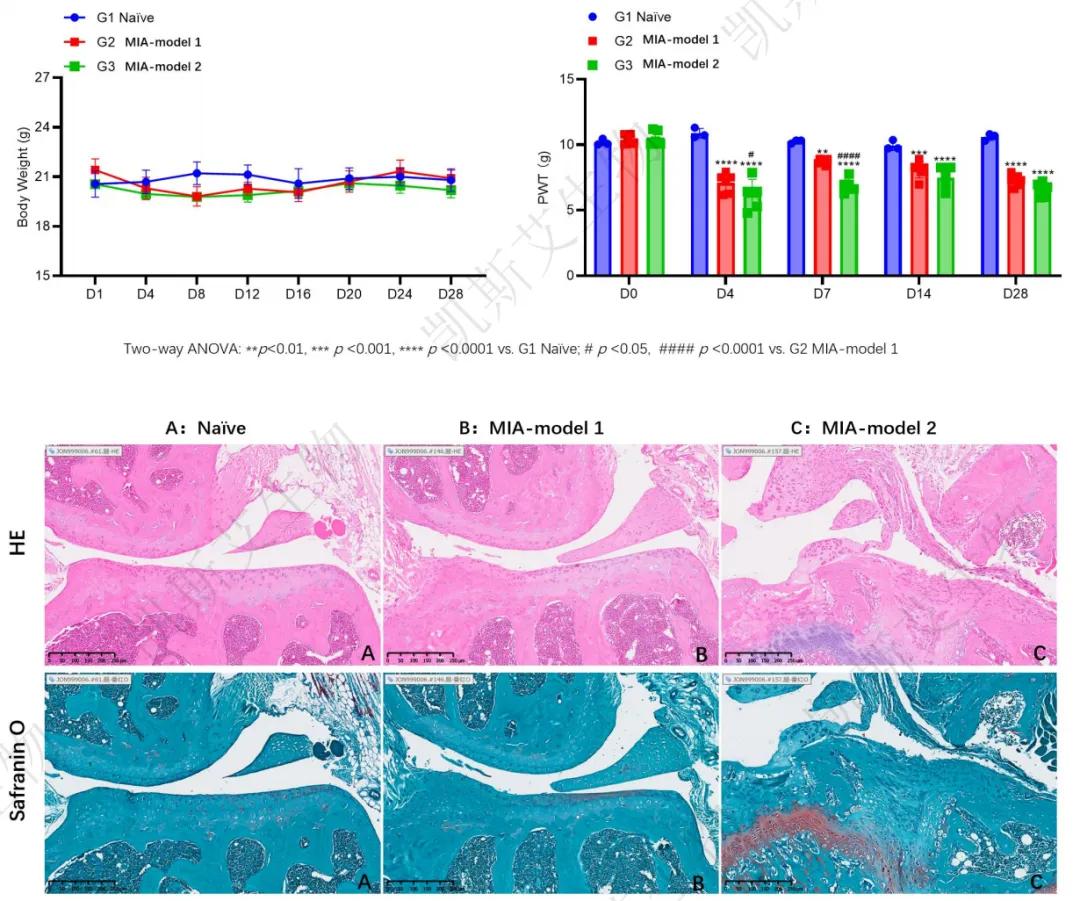
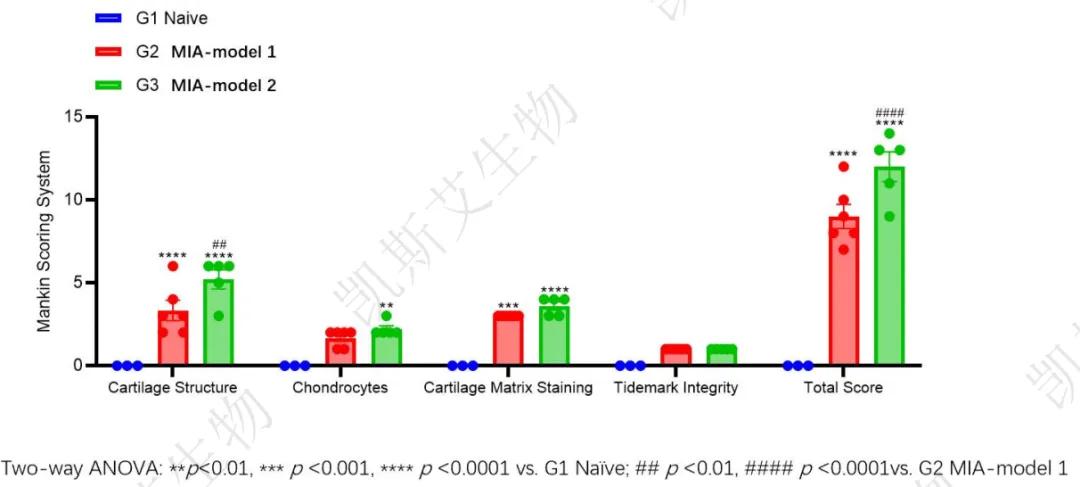
Data display
Joint swelling, joint tenderness, pathology
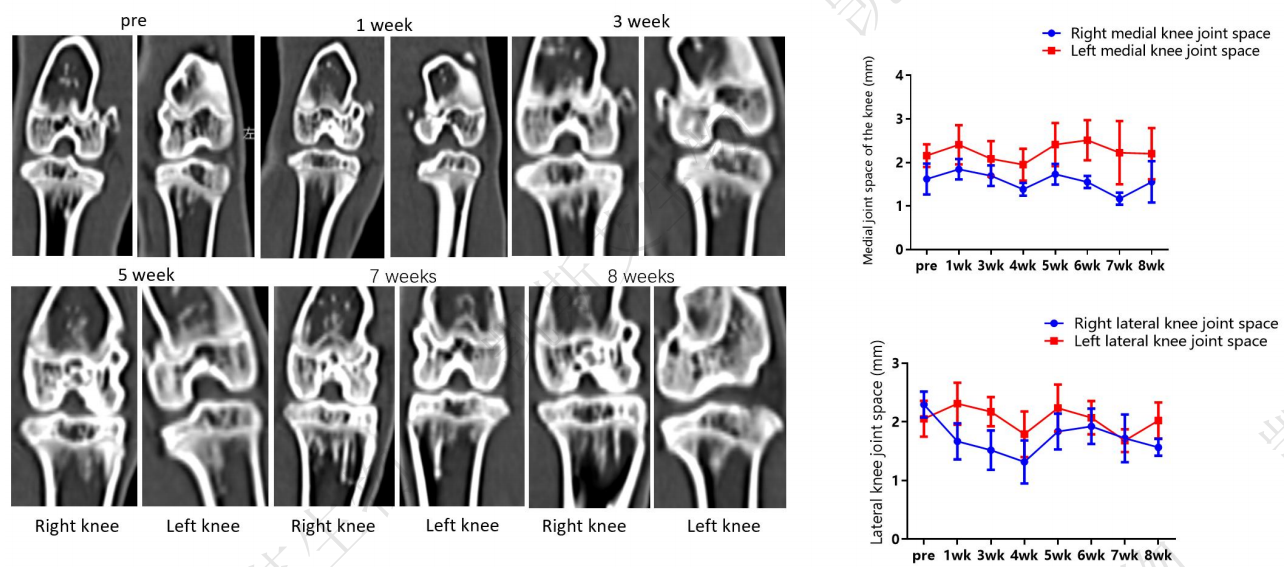
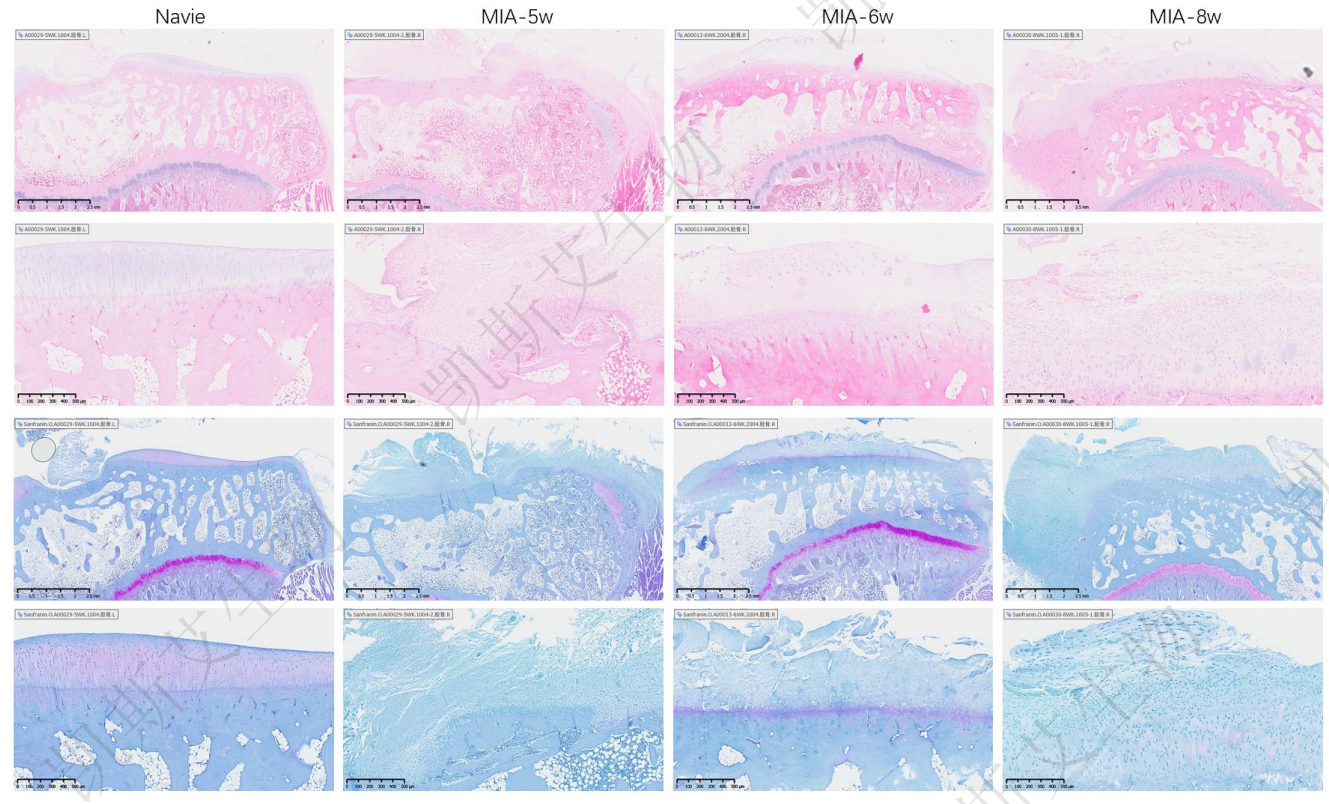
CT、 Pathology - Right side modeling
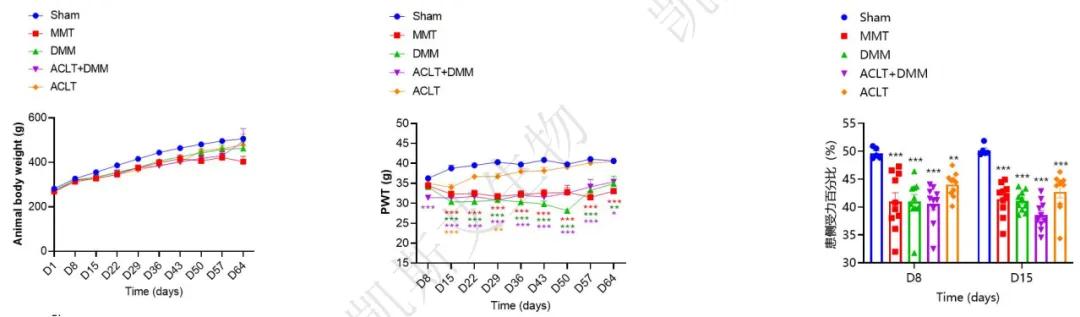
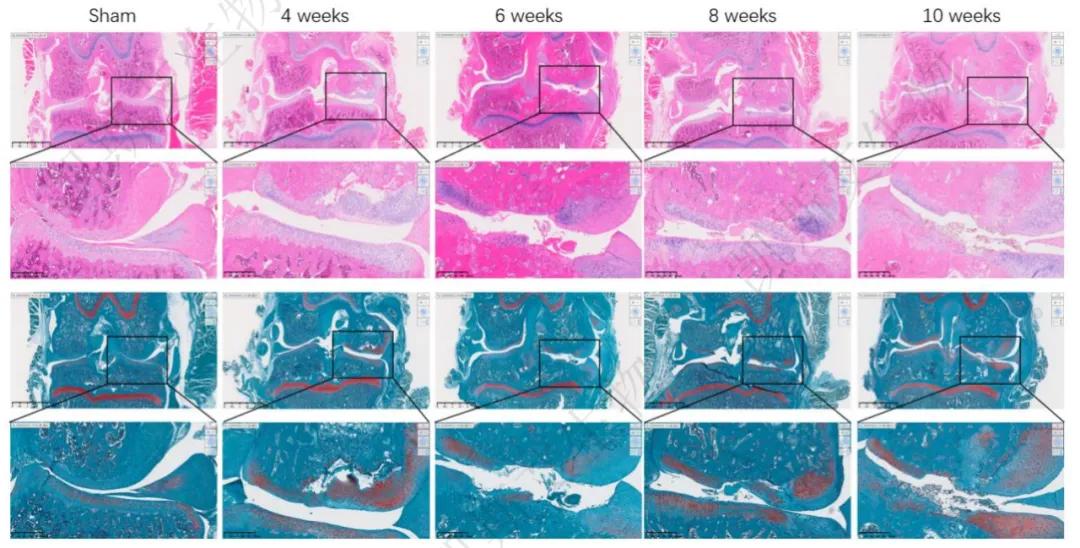
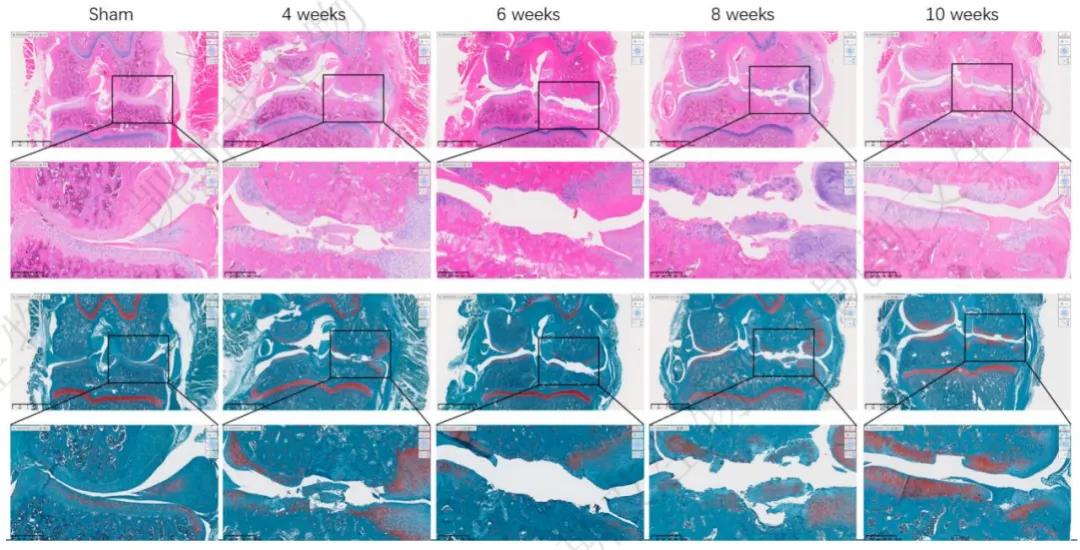
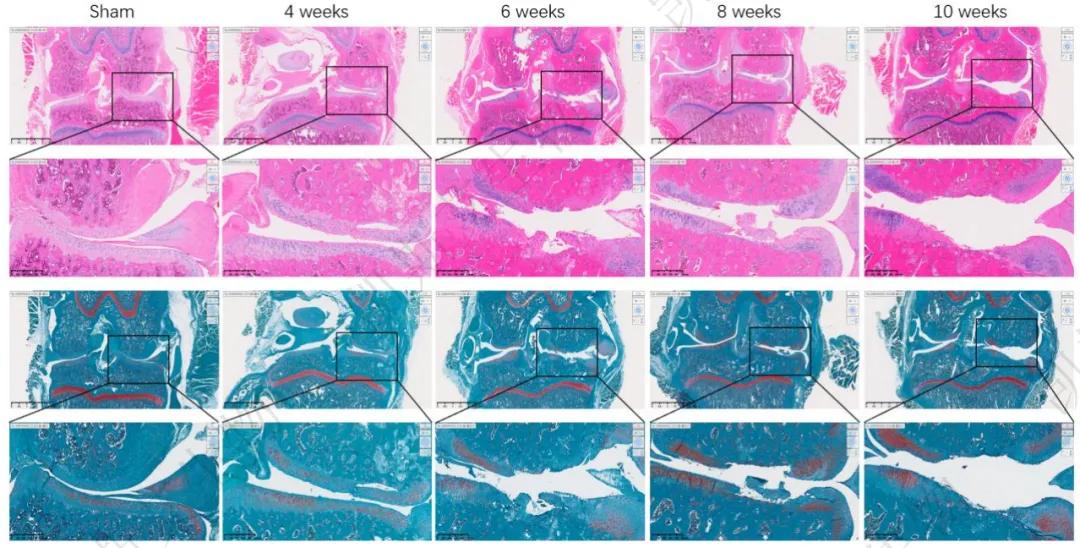
Joint tenderness and pathology
MMT model
DMM model
ACLT+DMM model
ACLT model
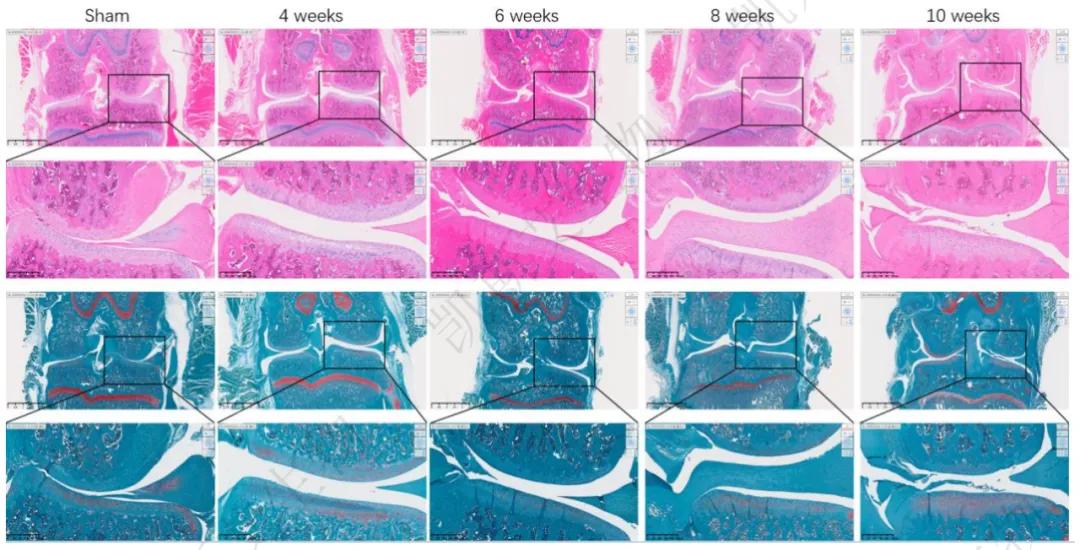
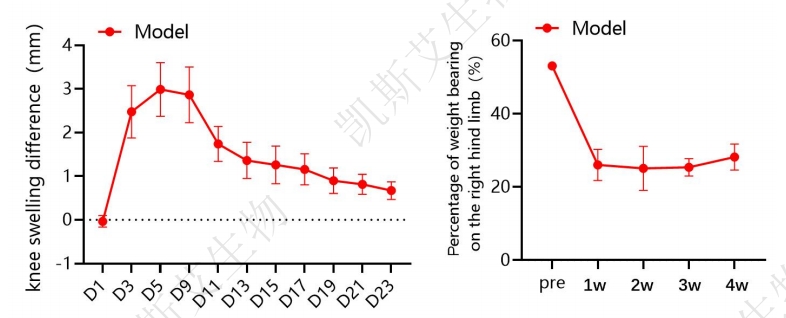
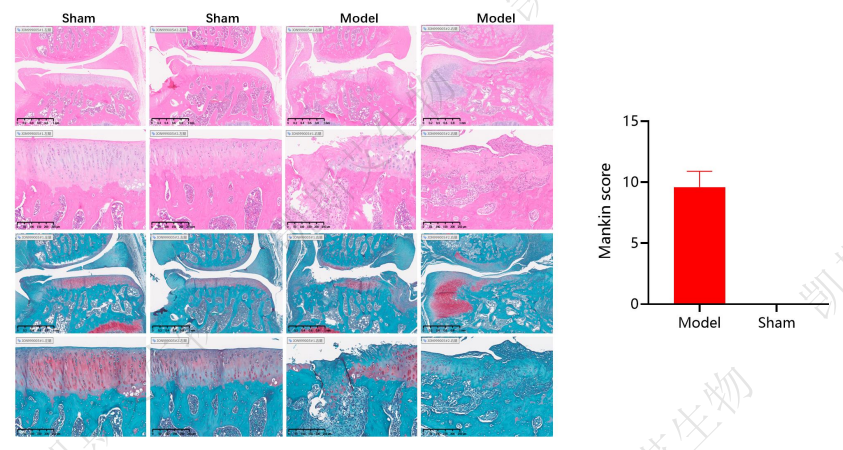
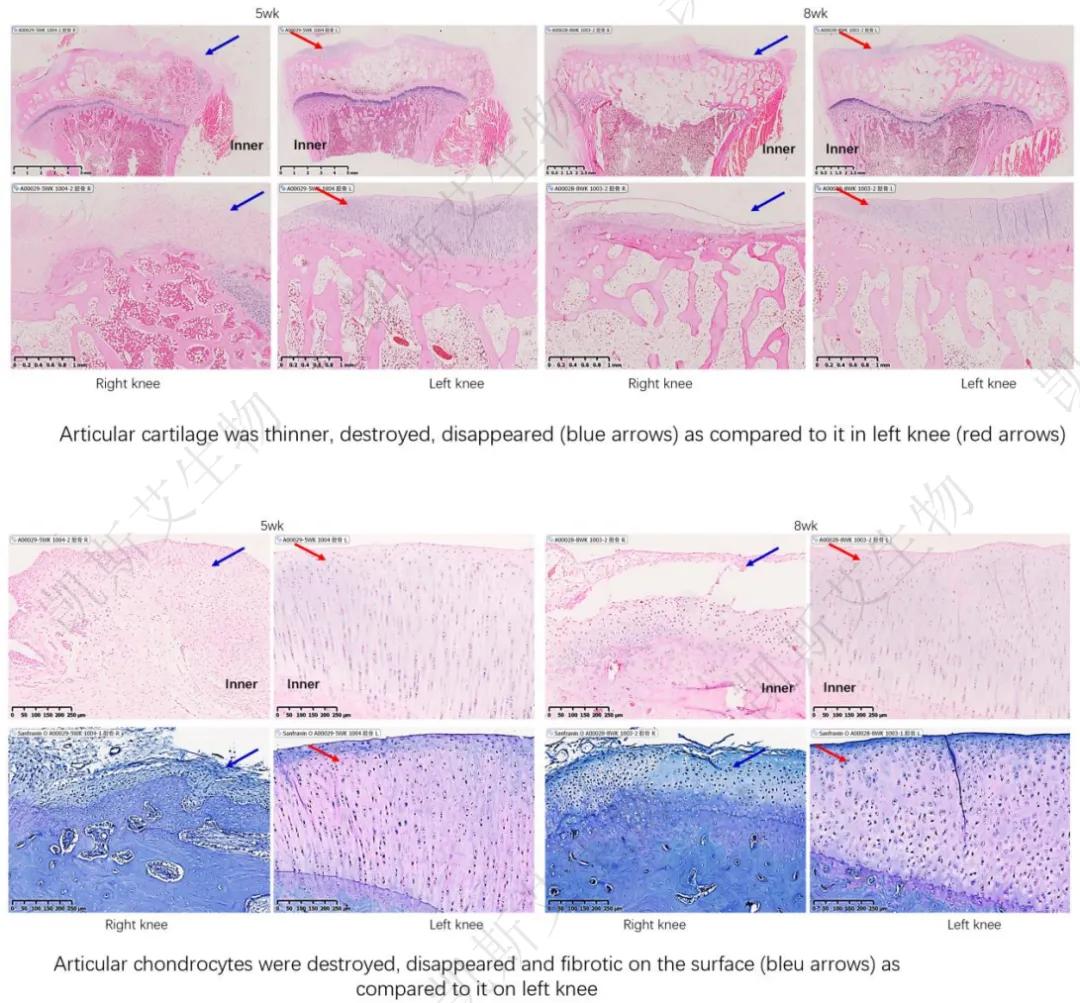
Knee joint diameter, foot balance, pathology
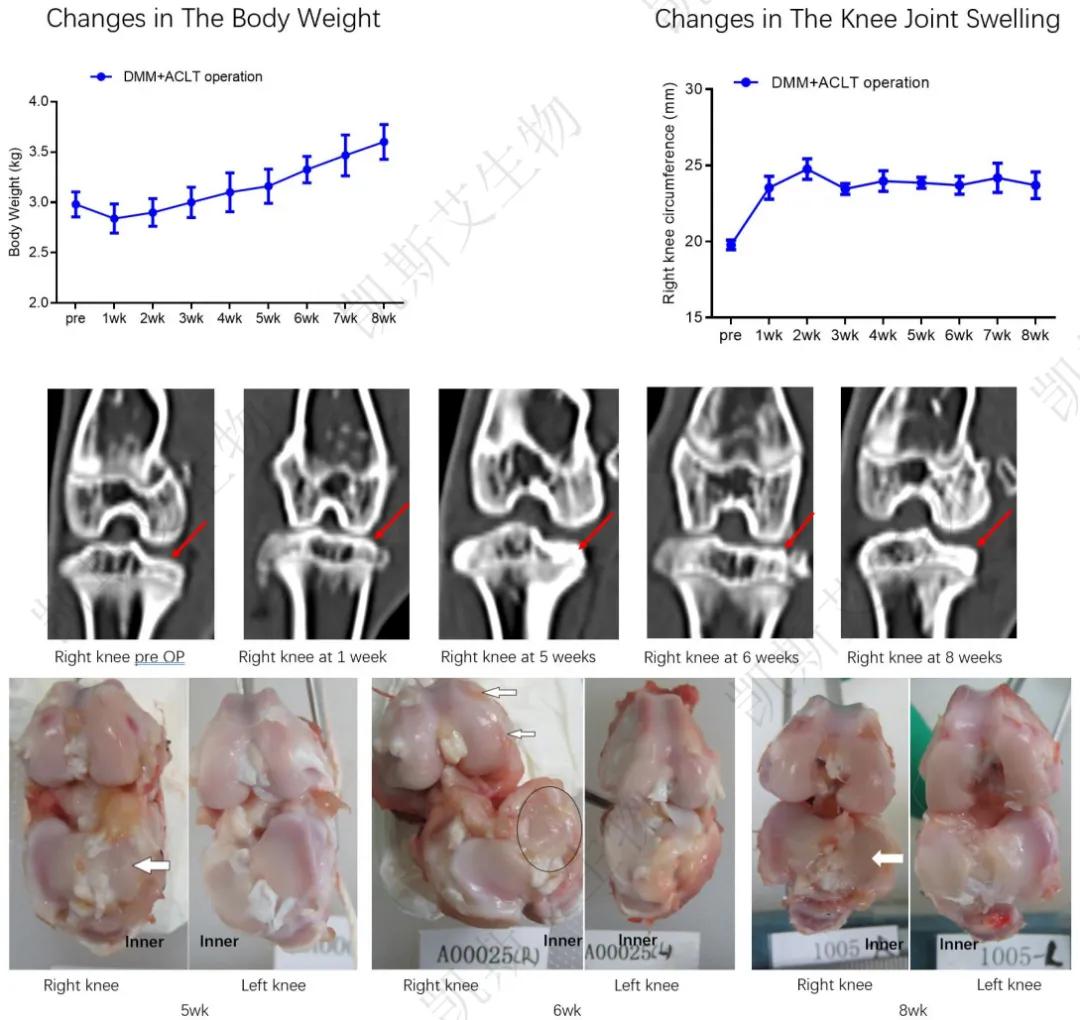
Joint swelling CT、 pathology
In the future, we will continue to deeply cultivate the field of disease model research and development, continuously iterate and optimize technologies, expand innovative model categories, collaborate with more research colleagues and pharmaceutical partners, jointly overcome the treatment difficulties of osteoarthritis, promote more cutting-edge research results to clinical practice, bring more effective treatment plans to thousands of patients, and inject strong impetus into the innovative development of the biopharmaceutical industry.