Introduction
As the "core organ" of human metabolism, the liver's lipid metabolism status directly reflects the body's health level, and TC (total cholesterol) and TG (triglycerides) are key indicators for measuring liver lipid metabolism. The accuracy of their detection results directly affects the reliability of experimental conclusions. Whether you are a novice or a seasoned experimentalist, mastering a set of standard operating procedures can help you avoid detours and improve efficiency.
Today, we will bring you the complete process of liver tissue TC/TG biochemical testing, from reagents and instruments to experimental steps. It is recommended to keep it for future use.

Main instruments and reagents
|
Instrument name |
Reagent name |
|
Biochemical analyzer |
Total Cholesterol (TC/CHOL) Determination Kit (CE-CO-POD Enzyme Method) |
|
High throughput tissue grinder |
Triglyceride (TG/TRIG) determination kit (glycerophosphate oxidase method) |
|
igh speed freeze centrifuge |
isopropanol |
1. Take clean 2mL EP tubes and 1.5mL EP tubes based on the number of livers, and label them for future use.
2. Take a liver sample from -80 ° C and dissolve it on wet ice (avoiding repeated freezing and thawing). Accurately weigh the sample (between 50.0-80.00mg) and place it in a 2mL EP tube.
3. Add the corresponding volume of isopropanol according to the ratio of liver weight (mg) to isopropanol volume (uL)=1:20. The function of isopropanol is to lyse liver cells, release intracellular TC and TG, and ensure the accuracy of subsequent detection.
4. After adding 2 stainless steel balls (diameter 3mm) to each sample tube, place it in a tissue grinder and grind it twice at 1500rpm for 30 seconds.
After grinding, let it stand overnight at 2-8 ° C. The purpose is to fully lyse liver cells with isopropanol, allowing TC and TG to be completely released into the extraction solution and reducing detection errors.
After incubation, centrifuge at 4 ° C and 6000rpm for 10 minutes. Take the supernatant and add it to a 1.5mL EP tube at a rate of 500L per tube per sample.
7. Use a biochemical analyzer to detect the content of TC and TG in the sample.
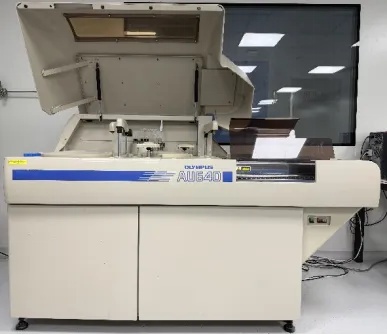
Biochemical analyzer
Precautions
KCI•KMQ Molecular Biology Platform
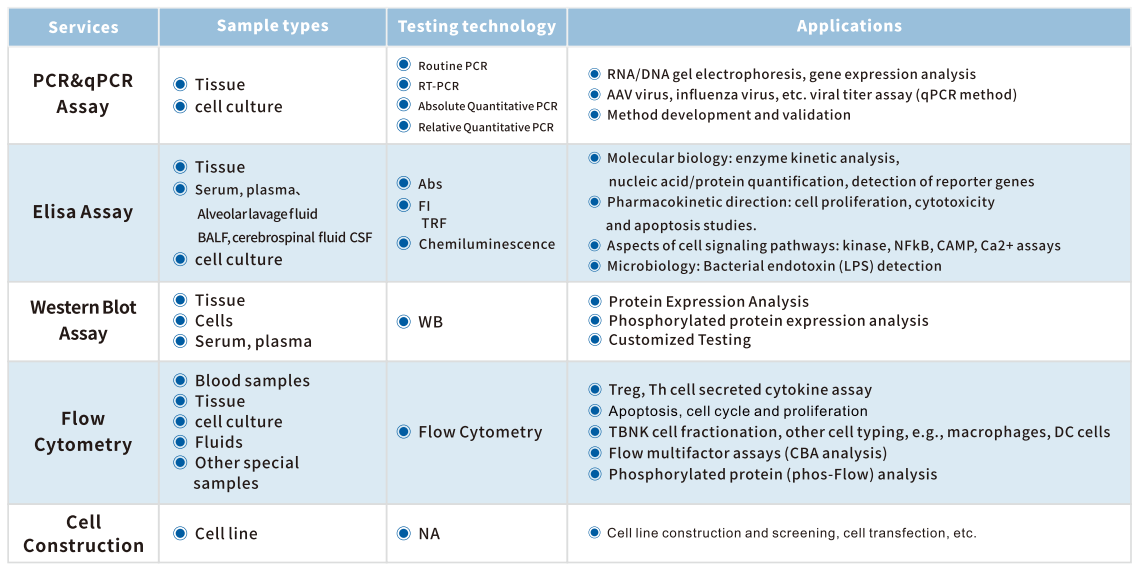
KCI•KMQ Molecular Biology Platform has advanced technology and rich project experience. It can not only undertake biochemical detection indicators with a daily detection volume of over 300, but also provide customers with various molecular biology detection methods including flow cytometry, qPCR, ELISA, WB, IP/Co IP, etc. At present, the company has established extensive long-term cooperation with many well-known pharmaceutical companies and research institutions at home and abroad, providing a solid foundation for the development of innovative drugs.